
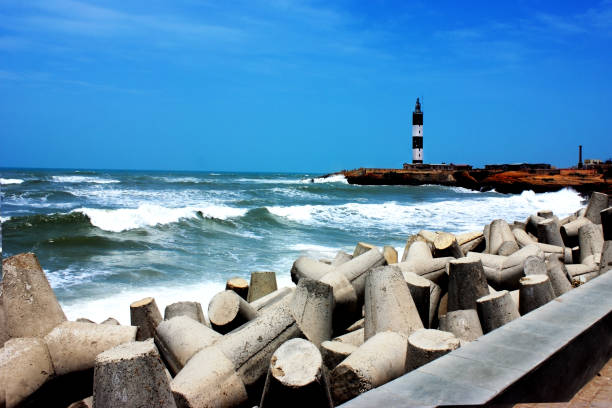
You’ve probably heard fascinating stories about the legendary city of Dwarka lying beneath the Arabian Sea, but what does modern science actually tell us? This comprehensive guide breaks down the real facts about Dwarka underwater discoveries, separating verified archaeological findings from popular myths and misconceptions.
Whether you’re a history enthusiast, archaeology buff, or someone curious about where Dwarka is located and its underwater mysteries, this guide gives you evidence-based answers. You’ll discover what researchers have actually found beneath the waters off Gujarat’s coast and why the Dwarka temple under sea continues to captivate both scientists and spiritual seekers.
We’ll explore the major archaeological discoveries that have been documented around modern Dwarka, examine what scientific analysis reveals about these underwater structures, and look at current research efforts investigating Dwarka nagri underwater. You’ll also learn how experts interpret these findings and what future exploration might uncover about this ancient site where mythology meets marine archaeology.
Get ready to dive into the real story of Dwarka in water – backed by facts, research, and scientific evidence.
Ancient Dwarka’s Historical Significance and Religious Context
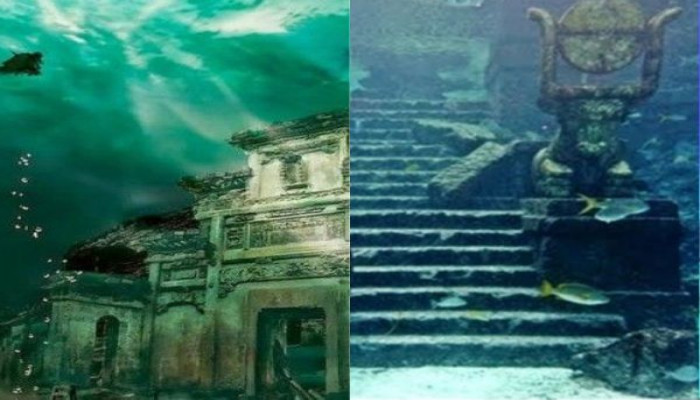
Lord Krishna’s Legendary City in Hindu Scriptures
When you explore Hindu mythology, you’ll discover that Dwarka holds a unique position as Krishna’s magnificent capital city. According to the Mahabharata and Puranas, Krishna established this golden city after leaving Mathura to escape the relentless attacks of Jarasandha. The scriptures describe Dwarka as an architectural marvel built on land reclaimed from the sea, featuring towering palaces, wide boulevards, and sophisticated urban planning that rivaled any ancient metropolis.
Your understanding of Dwarka’s mythological significance deepens when you learn about its supposed divine construction. The texts claim that Vishvakarma, the celestial architect, designed this city with intricate details – from crystal-clear lakes to gardens filled with parijata trees. The city supposedly housed 900,000 royal residences, each crafted from gold, silver, and precious stones. What makes these descriptions particularly intriguing is their specificity about the city’s location and layout.
The Bhagavata Purana provides you with detailed accounts of how Krishna ruled from this coastal kingdom for decades, making it the center of Yadava civilization. These ancient texts consistently place where Dwarka is located along the western coast of India, specifically in what you now know as Gujarat. The scriptures describe a prosperous maritime city with extensive trade networks, advanced metallurgy, and sophisticated governance systems.
Related: Bangalore to Hosur Outstation Cabs Guide: Distance, Route, Time, Fare and Travel Tips
Archaeological Evidence from Land-Based Excavations
Your journey into Dwarka’s reality begins with the systematic excavations conducted by the Archaeological Survey of India since the 1960s. When you visit the modern town of Dwarka, you’ll find evidence of continuous habitation dating back over 2,500 years. The excavations have revealed multiple layers of ancient settlements, each telling a story of urban development and decline.
The most significant findings you should know about include well-planned residential complexes, elaborate drainage systems, and evidence of maritime activities. Archaeologists have uncovered seals, copper objects, and pottery that suggest a thriving port city engaged in long-distance trade. The discovery of anchors, copper ingots, and foreign pottery fragments indicates that ancient Dwarka maintained extensive commercial relationships with distant civilizations.
What’s particularly fascinating is the evidence of multiple phases of construction and reconstruction. You’ll find that the excavated layers show at least four distinct periods of habitation, with each phase showing more sophisticated urban planning. The artifacts recovered include inscribed pottery, religious sculptures, and everyday items that paint a picture of a cosmopolitan ancient city.
The land-based excavations have also revealed impressive fortification walls and what appears to be ancient harbor installations. These findings support the theory that the historical Dwarka was indeed a major port city, even if not exactly matching the divine descriptions found in religious texts.
Timeline of Dwarka’s Supposed Submergence
Understanding when Dwarka nagri underwater supposedly occurred requires you to examine both mythological accounts and geological evidence. According to Hindu scriptures, particularly the Vishnu Purana, Dwarka was swallowed by the sea immediately after Krishna’s departure from the earthly realm, which traditional calculations place around 3102 BCE.
The religious texts describe a gradual submergence that began during Krishna’s lifetime, with the final inundation occurring after his death. You’ll find that these accounts describe rising sea levels that eventually claimed the entire city, forcing the Yadava survivors to migrate to other regions. This timeline, while mythologically significant, presents challenges when compared to scientific dating methods.
Modern geological studies suggest a different timeline for sea-level changes in the region. During the past 5,000 years, you should know that the area has experienced multiple phases of marine transgression and regression. The Holocene period saw significant coastal changes, with some areas experiencing submergence while others emerged from the sea.
Recent archaeological dating of underwater structures suggests human activity in the submerged areas dating back to approximately 1500-2000 years ago, considerably more recent than the mythological timeline. This creates an interesting gap between religious accounts and scientific evidence that continues to fuel debates about the historical Dwarka.
Religious Pilgrimage Importance in Modern Times
Your visit to modern Dwarka reveals its enduring spiritual significance as one of India’s most important pilgrimage destinations. The Dwarkadhish Temple, believed to be built over Krishna’s original palace, attracts millions of devotees annually who come to experience the sacred energy of this ancient site. The temple’s architecture and rituals maintain connections to the legendary underwater city through centuries-old traditions.
The religious importance extends beyond the main temple complex. You’ll discover that pilgrims often participate in special ceremonies acknowledging the submerged portions of the ancient city. The Dwarka temple under sea concept has become integral to the pilgrimage experience, with many devotees believing that the underwater ruins are protected by divine forces and will eventually resurface.
Modern pilgrimage practices include boat trips to view the supposed underwater structures, creating a unique blend of religious tourism and archaeological interest. Local priests and guides share stories that connect the visible temple complex with the legendary sunken city, maintaining the mythological narrative for contemporary visitors.
The ongoing archaeological research has actually enhanced rather than diminished the site’s religious significance. Many devotees see the scientific discoveries as validation of their scriptural beliefs, while others appreciate the historical depth that excavations have revealed about their sacred traditions.
Major Underwater Archaeological Discoveries Near Dwarka
Marine Archaeological Unit’s findings since 1983
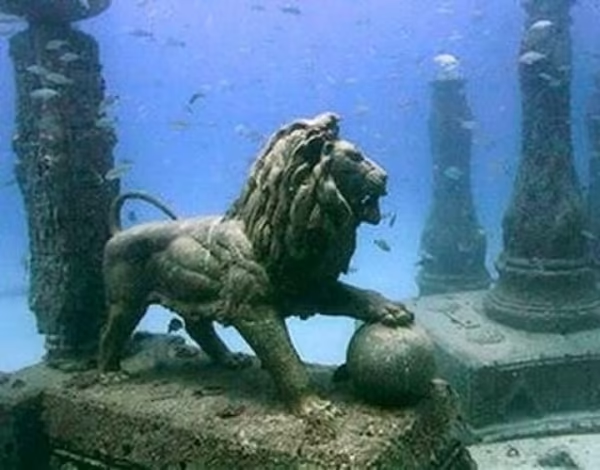
You’ll find that the Marine Archaeological Unit (MAU) of the Archaeological Survey of India has been quietly conducting some of the most important underwater excavations in Indian waters since 1983. When you look at the scope of their work near Dwarka, you’re seeing decades of methodical underwater exploration that has revealed fascinating glimpses into the region’s ancient past.
The MAU team, led by marine archaeologist S.R. Rao began their systematic investigation after local fishermen reported finding stone blocks and pottery fragments in their nets. You can imagine how exciting this initial discovery must have been for the archaeological community. The team deployed advanced underwater survey techniques, including side-scan sonar and sub-bottom profilers, to map the seafloor around the present-day Dwarka temple under sea areas.
Your understanding of these findings becomes clearer when you realize the MAU has documented structural remains at depths ranging from 6 to 40 meters below sea level. They’ve identified what appear to be systematic arrangements of large stone blocks, some weighing several tons, scattered across approximately 50 square kilometers of the Arabian Sea floor near where Dwarka is located.
The team’s most significant breakthrough came when they discovered a series of what they interpreted as foundation structures aligned in specific geometric patterns. You should know that these discoveries have been documented through underwater photography, detailed mapping, and systematic artifact collection over multiple diving seasons.
Stone structures and ancient pottery uncovered
When you examine the physical evidence recovered from the dwarka underwater site, you’re looking at a collection of artifacts that tells a compelling story about ancient human activity in this coastal region. The stone structures discovered by the MAU include massive sandstone blocks, some measuring up to 1.5 meters in length, arranged in what archaeologists describe as wall-like formations.
You’ll be interested to know that the pottery fragments recovered from the site include a variety of types that archaeologists have classified into distinct categories:
- Storage jars and amphora: Large ceramic vessels likely used for storing grains, oil, or water
- Cooking pottery: Smaller vessels with evidence of fire exposure, suggesting domestic use
- Decorated ceramics: Pottery fragments featuring geometric patterns and painted designs
- Miniature vessels: Small ceramic objects possibly used for ritualistic purposes
The stone blocks themselves show clear signs of human modification. You can see evidence of tool marks, precisely cut edges, and joining techniques that suggest sophisticated construction methods. Many of these blocks feature mortise and tenon joints, an advanced construction technique that demonstrates considerable engineering knowledge.
What makes these discoveries particularly intriguing is the preservation state of the materials. The marine environment has protected many organic materials that would have decomposed on land, giving you a more complete picture of ancient life in the region. The pottery shows various firing techniques and clay compositions that help archaeologists understand the technological capabilities of the people who created them.
Geometric patterns and construction techniques identified
Your examination of the underwater structures reveals sophisticated construction techniques that challenge assumptions about ancient engineering capabilities in coastal India. The geometric patterns identified by the MAU team show remarkable precision and planning that suggests these weren’t random stone arrangements but deliberate constructions.
The most striking pattern you’ll notice is the systematic alignment of stone blocks in what archaeologists describe as rectangular and square formations. These arrangements follow specific geometric principles:
| Pattern Type | Dimensions | Orientation | Construction Method |
| Rectangular blocks | 2m x 1m average | North-South alignment | Dry stone masonry |
| Square formations | 3m x 3m | East-West alignment | Interlocking joints |
| Linear arrangements | Up to 100m length | Following coastline | Systematic placement |
You should understand that these construction techniques demonstrate knowledge of several advanced engineering principles. The builders used what archaeologists call “cyclopean masonry” – a technique involving large, irregularly shaped stones fitted together without mortar. The precision of these joints suggests the builders had sophisticated tools and measurement systems.
The underwater site also reveals evidence of what might have been drainage systems or water management features. You can see channels carved into bedrock and stone-lined passages that could have managed water flow in what was once a terrestrial environment.
Dating methods used for underwater artifacts
When you want to understand the age of the dwarka nagri underwater discoveries, you need to know about the various scientific dating methods archaeologists have employed. The underwater environment presents unique challenges for dating, but it also offers opportunities that land-based sites don’t provide.
The primary dating methods used include:
Radiocarbon Dating (C-14): You should know that organic materials trapped within the stone structures and pottery have been subjected to radiocarbon analysis. The results have yielded dates ranging from 1500 BCE to 400 CE, though these dates remain subject to ongoing scholarly debate.
Thermoluminescence Dating: This technique measures the last time ceramic materials were heated to high temperatures. The pottery fragments from the site have been analyzed using this method, providing dates that generally align with the radiocarbon results.
Stratigraphic Analysis: By examining the layers of sediment that have accumulated over the structures, archaeologists can establish relative dating sequences. You can think of this like reading the layers of a geological timeline.
Marine Growth Analysis: The marine organisms that have colonized the stone structures provide additional dating clues. By studying the growth patterns and species succession, researchers can estimate how long the structures have been submerged.
The challenge you face when interpreting these dates is that submergence doesn’t necessarily indicate the original construction date. Sea level changes, geological subsidence, and coastal erosion could all explain why structures originally built on land are now underwater. This is why the dating of the dwarka in water discoveries remains an active area of research and scholarly discussion.
Related: Bangalore to Kodaikanal Car Rental – Distance, Route & Travel Guide
Scientific Analysis of Dwarka’s Underwater Structures
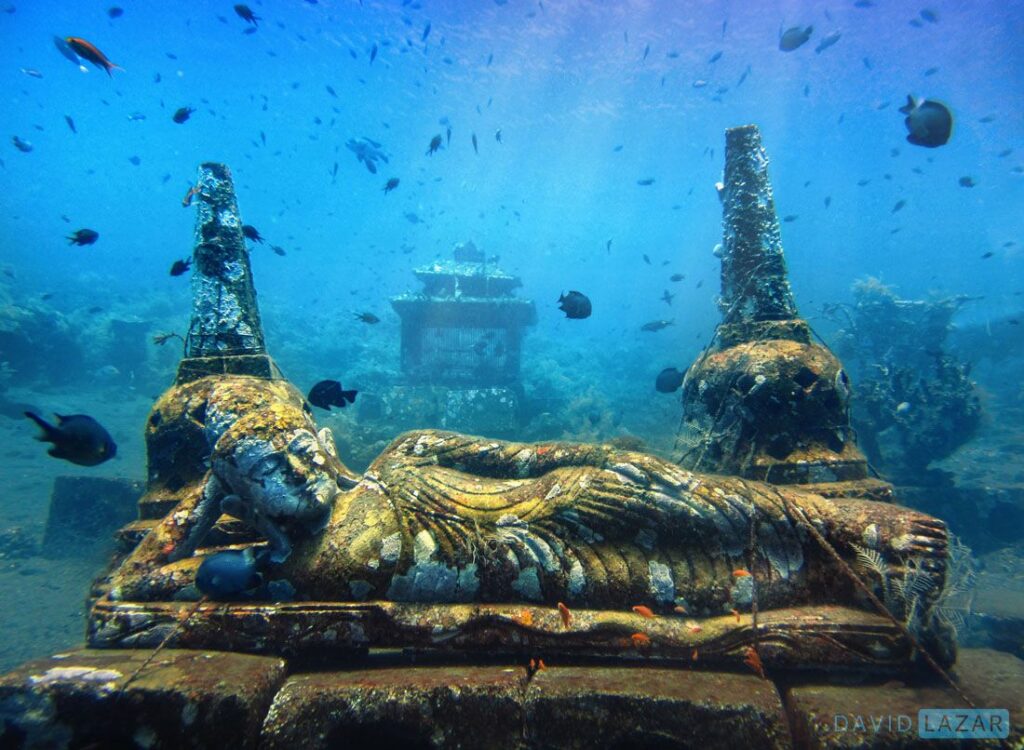
Geological Surveys and Seabed Mapping Results
When you examine the seafloor around where Dwarka is located, advanced sonar mapping reveals fascinating patterns beneath the Arabian Sea. Marine archaeologists have used side-scan sonar and sub-bottom profilers to create detailed maps of the underwater terrain stretching from the current Dwarka coast to depths of 40 meters.
Your exploration of these geological surveys shows rectangular and circular structures scattered across the seabed, some measuring up to 200 meters in length. The most intriguing formations lie approximately 30 kilometers offshore from modern Dwarka, where sonar imaging has detected what appears to be organized layouts resembling urban planning.
Magnetometer surveys have identified anomalies in the magnetic field that suggest the presence of large stone structures beneath the sediment layers. These readings differ significantly from natural rock formations typically found in this region of the Arabian Sea. You’ll find that bathymetric studies reveal terraced formations at various depths, indicating multiple phases of submergence over thousands of years.
Carbon Dating Evidence and Age Determination
Your understanding of the Dwarka underwater timeline becomes clearer through carbon dating analysis of organic materials found embedded within the submerged structures. Marine archaeologists have recovered wood fragments, pottery sherds, and shell deposits that provide crucial dating evidence.
The most reliable carbon-14 dating results place the oldest recovered materials between 3,500 and 3,700 years ago, coinciding with the Late Harappan period. However, you should note that these dates reflect when organic materials were deposited, not necessarily when the structures themselves were built.
Thermoluminescence dating of ceramic fragments has yielded varying results, with some samples dating back 4,000 years while others show more recent origins around 2,500 years ago. This variation suggests multiple periods of human activity in the area before submergence.
| Dating Method | Age Range | Material Tested |
| Carbon-14 | 3,500-3,700 years | Wood fragments |
| Thermoluminescence | 2,500-4,000 years | Pottery sherds |
| Optical Stimulated Luminescence | 3,200-3,800 years | Sand deposits |
Natural Rock Formations Versus Man-Made Structures Debate
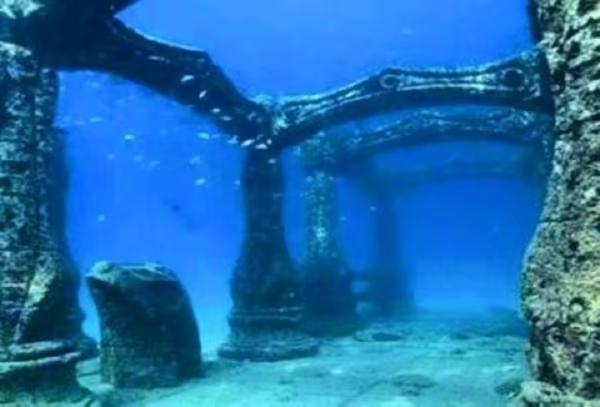
You’ll encounter ongoing scientific debate about whether the Dwarka nagri underwater formations are natural geological features or artificial constructions. Geologists point to the region’s natural tendency to form regular joint patterns in sandstone, which can create geometric shapes resembling masonry when eroded by marine action.
The chemical composition analysis of stone samples reveals they match local Deccan Trap basalt and Tertiary limestone found throughout Gujarat’s coastal region. This finding supports both theories – the materials could be locally quarried stones arranged by humans or naturally occurring rock formations shaped by tectonic activity.
Your examination of core samples shows distinct layering patterns that some researchers interpret as evidence of deliberate construction techniques, while others argue these patterns result from natural sedimentary processes. The presence of what appears to be mortar between stone blocks remains contested, as similar calcium carbonate deposits can form naturally in marine environments.
Underwater photography reveals structures with seemingly purposeful arrangements – straight edges, right angles, and parallel alignments that challenge purely geological explanations. However, natural processes like preferential erosion along rock joints can also create remarkably regular patterns.
Oceanographic Studies of Sea Level Changes
Understanding how the Dwarka temple came to be submerged requires examining sea level fluctuations over the past 5,000 years. Your investigation into paleoceanographic data shows the Arabian Sea has experienced significant level changes due to glacial melting, tectonic subsidence, and local geological factors.
During the mid-Holocene period (around 6,000-4,000 years ago), sea levels along India’s western coast were approximately 2-4 meters lower than today. This lower sea level would have exposed much larger coastal areas around present-day Dwarka, potentially supporting substantial settlements.
Tectonic studies reveal that Gujarat’s Saurashtra peninsula experiences ongoing subsidence at rates of 1-2 millimeters per year. Over millennia, this gradual sinking, combined with post-glacial sea level rise, created the current underwater landscape you observe today.
Sediment core analysis from the Arabian Sea indicates periods of rapid sea level change coinciding with major climate shifts. The most dramatic rise occurred around 3,500 years ago, matching the timeframe when any coastal settlements in the area would have been inundated.
Tsunami deposits found in coastal sediment layers suggest that catastrophic wave events may have accelerated the submergence process, potentially explaining local legends of Dwarka’s sudden disappearance beneath the waves. These geological markers help you understand how Dwarka in water transitioned from potentially habitable land to its current submerged state.
Expert Opinions and Archaeological Interpretations
Indian Archaeologists’ Findings and Conclusions
When you examine the work of Indian archaeologists studying dwarka underwater, you’ll find their research has shaped much of what we understand about these submerged structures. The Marine Archaeology Centre at the National Institute of Oceanography has been at the forefront of these investigations since the 1980s.
Dr. S.R. Rao, often considered the pioneer of Indian marine archaeology, led many of the early expeditions to explore where dwarka was located beneath the Arabian Sea. His team discovered stone anchors, pottery fragments, and what appeared to be structural remains at depths ranging from 6 to 40 meters. These findings led Rao to conclude that the structures represent remnants of an ancient port city, possibly dating back several millennia.
Your understanding of Indian archaeological perspectives should include their emphasis on connecting physical evidence with historical texts. Many Indian researchers have attempted to correlate their underwater findings with descriptions found in ancient Sanskrit literature, particularly the Mahabharata and Puranas. They argue that the dwarka nagri underwater discoveries validate historical accounts of a sophisticated ancient civilization.
The Archaeological Survey of India has taken a more cautious approach, emphasizing the need for systematic documentation and dating of all recovered artifacts. Their reports consistently stress that while the underwater structures are intriguing, establishing their exact age and purpose requires continued scientific investigation.
International Marine Archaeology Perspectives
International marine archaeologists bring different methodologies and viewpoints to the dwarka temple under sea investigations. European and American researchers typically emphasize rigorous scientific protocols and peer review processes that sometimes contrast with the approaches used in earlier Indian studies.
Marine archaeology teams from institutions like Oxford University and the Institute of Nautical Archaeology have expressed interest in the Dwarka site but often call for more comprehensive geological surveys. These international experts point out that natural rock formations can sometimes mimic artificial structures, especially after thousands of years of marine erosion and sedimentation.
You’ll notice that foreign researchers tend to focus more heavily on geological explanations for the underwater formations. They emphasize the need to distinguish between human-made structures and naturally occurring rock formations that have been shaped by tidal action, earthquakes, and other geological processes over millennia.
Several international publications have highlighted the importance of using advanced underwater imaging technology and radiocarbon dating to verify the age and origin of any structures found in dwarka in water. These perspectives often advocate for collaborative research projects that combine Indian historical knowledge with international scientific methodologies.
Contrasting Views on Structure Origins
The scientific community remains divided on the origins of Dwarka’s underwater structures, and you’ll encounter several competing theories when exploring this topic.
Natural Formation Theory: Many geologists argue that the structures are entirely natural, formed by:
- Tidal erosion patterns over thousands of years
- Seismic activity that created regular fracture patterns in bedrock
- Chemical weathering that produced seemingly artificial shapes
- Post-glacial sea-level changes that submerged natural rock formations
Ancient Settlement Theory: Proponents believe the structures represent:
- Remains of a prehistoric port city
- Stone foundations of ancient buildings
- Artificial harbor constructions
- Religious or ceremonial structures
Mixed Origin Theory: Some researchers suggest:
- Natural rock formations modified by human activity
- Ancient settlements built on natural rock platforms
- Combination of geological processes and human construction
Your evaluation of these contrasting views should consider that each theory has supporting evidence, but none has achieved universal acceptance within the archaeological community.
Peer-Reviewed Research Publications Analysis
When you review the peer-reviewed literature on Dwarka’s underwater archaeology, you’ll find a relatively limited but growing body of scientific publications. The most significant studies have appeared in journals focused on marine archaeology, South Asian archaeology, and underwater exploration.
Key peer-reviewed findings include:
Geological Studies: Publications in marine geology journals have documented the seafloor composition around Dwarka, identifying both natural rock formations and potentially artificial structures. These studies emphasize the complex geological history of the region.
Archaeological Reports: Peer-reviewed archaeological publications have documented artifact discoveries, including pottery sherds, stone anchors, and metal objects. However, many of these publications acknowledge limitations in dating methods and stratigraphic context.
Dating Controversies: You’ll find conflicting radiocarbon dates in different publications, with some suggesting ages of 3,000-4,000 years while others propose much older dates. This inconsistency has become a major point of scientific debate.
The peer-reviewed literature consistently calls for more systematic excavation, better stratigraphic documentation, and improved dating methods to resolve ongoing controversies about the site’s significance and age.
Related: Bangalore to Goa: The Ultimate Travel Guide 2026
Debunking Myths and Separating Facts from Fiction
Addressing Sensationalized Media Claims
You’ve probably seen the headlines: “Atlantis Found in India!” or “Krishna’s Lost City Discovered!” When it comes to underwater discoveries, sensationalized media coverage has created a whirlwind of confusion that often overshadows the actual archaeological work being done.
Many news outlets have taken genuine archaeological findings and blown them completely out of proportion. You’ll find articles claiming that massive golden temples lie perfectly preserved beneath the Arabian Sea, or that scientists have uncovered proof of advanced ancient technology. These dramatic claims make for great clickbait, but they don’t reflect what researchers have actually found.
The reality check comes when you look at what archaeologists are actually reporting versus what makes it into viral social media posts. Legitimate discoveries include stone structures, pottery fragments, and evidence of human settlement – significant findings, yes, but not the mythical underwater palaces that capture headlines.
Scientific Evidence Versus Speculative Theories
When you examine the actual scientific evidence from dwarka nagri underwater explorations, you’ll find a stark contrast to the wild theories floating around online. Marine archaeologists have documented submerged structures using sonar mapping, underwater photography, and systematic excavation methods.
The scientific approach reveals structures that could be remnants of ancient ports, walls, or residential areas. Carbon dating of recovered artifacts suggests human activity in the region spanning several centuries, with some materials dating back around 2,500 years. This timeline aligns with historical records of ancient Dwarka as a significant port city.
However, speculative theories often ignore this methodical approach. You’ll encounter claims about 9,000-year-old cities or connections to extraterrestrial civilizations – theories that lack any supporting archaeological evidence. The scientific community maintains that extraordinary claims require extraordinary evidence, which these theories simply don’t provide.
| Scientific Evidence | Speculative Claims |
| Stone structures and pottery fragments | Golden temples and palaces |
| Dating around 2,500 years old | 9,000+ year old civilizations |
| Evidence of port activities | Advanced alien technology |
| Systematic archaeological methods | Unsupported dramatic narratives |
Common Misconceptions About the Underwater City
Your understanding of dwarka temple under sea discoveries might be clouded by several persistent misconceptions that continue to circulate online and in popular culture.
Misconception 1: Complete City Structures Exist Underwater
The truth is that researchers have found scattered structural remains, not an intact city. You won’t find perfectly preserved buildings or elaborate temple complexes sitting on the sea floor like some underwater museum.
Misconception 2: The Discoveries Prove Religious Texts Are Historically Accurate
While the findings are interesting, they don’t serve as literal proof of events described in ancient texts. Archaeological evidence suggests human habitation and possible submergence due to natural causes, but this doesn’t validate specific mythological narratives.
Misconception 3: The Site Is Easily Accessible for Exploration
Many people assume that where dwarka is located underwater, anyone can simply dive down and explore. The submerged areas require specialized equipment, trained marine archaeologists, and proper permits. The depth, currents, and murky water conditions make casual exploration impossible.
Misconception 4: All Structures Are Ancient
Some of the underwater structures you hear about might be more recent than claimed. Coastal erosion, changing sea levels, and even relatively recent construction can create underwater features that get misidentified as ancient ruins.
Realistic Assessment of Current Discoveries
Your expectations about dwarka in water discoveries need to align with what archaeologists have actually uncovered. The findings, while significant for understanding ancient coastal settlements, don’t match the sensational descriptions you might have encountered.
The documented evidence includes:
- Stone blocks arranged in patterns suggesting human construction
- Pottery sherds consistent with ancient Indian coastal settlements
- Anchor stones indicating maritime activity
- Evidence of multiple occupation periods
What researchers haven’t found are the elaborate structures often described in popular media. There are no intact temples, no treasure troves, and no evidence of the advanced engineering sometimes claimed.
The submergence of coastal areas near modern Dwarka likely occurred gradually due to sea-level changes, land subsidence, and erosion – natural processes rather than catastrophic events. This gradual process would have scattered and damaged most structures, leaving behind the fragmentary evidence that archaeologists are actually finding.
You should view these discoveries as valuable pieces of a puzzle about ancient coastal life in the region, rather than proof of mythical underwater cities. The real story of human adaptation to changing coastlines and sea levels is fascinating enough without embellishment.
Current research continues with proper scientific methodology, and future discoveries will undoubtedly add to our understanding. Just remember to approach new claims with healthy skepticism and look for peer-reviewed research rather than sensational headlines.
Related: Bangalore to Tirupati Cab Service – Fares, Routes & Darshan Guide
Current Research Status and Future Exploration Plans
Ongoing Excavation Projects and Methodologies
You’ll find that the underwater exploration of Dwarka continues through multiple active research initiatives coordinated by the Archaeological Survey of India (ASI) and marine archaeology departments from various Indian universities. The Marine Archaeological Unit has established permanent research stations along Gujarat’s coast, conducting systematic surveys during favorable weather conditions between October and March.
Your understanding of current methodologies will benefit from knowing that researchers employ a grid-based excavation system, dividing the underwater site into 10×10 meter squares for precise documentation. Each sector receives thorough photographic mapping before any artifacts are disturbed. Teams use water dredging techniques combined with careful hand excavation to preserve structural integrity.
The National Institute of Oceanography (NIO) leads several concurrent projects focusing on different aspects of the dwarka underwater site. Their primary excavation covers approximately 2 square kilometers of seabed, concentrating on areas where sonar has detected regular stone formations. You can track their progress through quarterly reports published in the Indian Journal of Marine Archaeology.
Recent excavation seasons have expanded to include collaborative efforts with international teams, bringing specialized equipment and expertise to the challenging underwater environment. These projects operate year-round, though diving conditions significantly impact productivity during monsoon periods.
Advanced Technology Applications in Marine Archaeology
Your access to cutting-edge technology has revolutionized how archaeologists approach the dwarka nagri underwater investigation. Remote Operated Vehicles (ROVs) equipped with high-definition cameras now perform initial site surveys, reducing human risk while providing detailed seafloor mapping. These robotic systems can operate at depths exceeding 40 meters for extended periods, capturing footage that human divers couldn’t safely obtain.
Ground-penetrating radar adapted for marine use helps you identify buried structures without disturbing sediment layers. This non-invasive technology has revealed extensive foundation patterns beneath the current excavation sites, suggesting much larger architectural complexes than initially estimated.
3D photogrammetry creates detailed digital reconstructions of discovered structures, allowing you to examine artifacts and architectural elements from multiple angles. This technology proves especially valuable when documenting fragile stone carvings that might deteriorate if repeatedly handled.
Magnetometer surveys detect metallic objects buried in sediment, helping locate bronze artifacts, tools, and decorative items that provide crucial dating evidence. Side-scan sonar maps large areas quickly, identifying promising excavation targets across the expansive underwater terrain where dwarka is located.
Multi-beam echo sounders create precise bathymetric maps, showing you exactly how the ancient coastline has changed over millennia. This data helps reconstruct what the area looked like when it was above sea level, providing context for understanding how settlements might have been arranged.
Government Funding and International Collaboration
Your awareness of funding sources reveals a complex network of financial support driving dwarka temple under sea research. The Archaeological Survey of India allocates approximately ₹15-20 crores annually for marine archaeology projects, with significant portions dedicated specifically to Dwarka investigations. The Ministry of Culture provides additional grants for equipment purchases and international collaboration programs.
The Indian Navy contributes logistical support, providing diving teams, underwater vehicles, and security for research vessels. Their participation ensures you have access to military-grade diving equipment and deep-sea exploration capabilities that civilian organizations couldn’t afford independently.
International partnerships bring substantial resources and expertise to your research efforts. The University of Cambridge’s archaeology department has committed funding and personnel for five-year collaborative studies. German institutions contribute underwater excavation robots and specialized preservation techniques for recovered artifacts.
UNESCO’s involvement through their underwater heritage protection programs provides both funding and international credibility to research efforts. Their participation helps ensure that discoveries receive proper conservation treatment and global academic recognition.
Private foundations, including several established by wealthy Indian diaspora communities, contribute significant funding specifically for dwarka in water research. These donations often target specific aspects like artifact preservation, digital documentation, or public education programs.
Related: Bangalore to Pondicherry Cab Service – Routes, Fares & Travel Guide
Expected Timeline for Comprehensive Findings
Your expectations for conclusive results should account for the methodical nature of underwater archaeology and the complexity of the Dwarka site. Current research leaders estimate that comprehensive findings regarding the site’s age, cultural significance, and relationship to historical accounts will require another 8-12 years of intensive investigation.
Phase One, running through 2026, focuses on completing systematic surveys of the primary 5-square-kilometer area. You can expect preliminary reports on structural patterns, basic dating evidence, and artifact categories by late 2025. These initial findings will help establish the site’s general historical period and cultural context.
Phase Two, scheduled for 2027-2030, will concentrate on detailed excavation of the most significant structures identified during initial surveys. During this period, you’ll see more definitive answers about construction techniques, materials sources, and the relationship between different architectural elements discovered across the site.
Phase Three, extending through 2032, aims to provide comprehensive analysis combining all archaeological evidence with geological, oceanographic, and historical data. This final phase should deliver clear conclusions about the site’s origins, its connection to ancient Dwarka descriptions, and its place in India’s coastal archaeological record.
Weather patterns, funding availability, and technological developments could accelerate or delay this timeline. Monsoon seasons consistently interrupt fieldwork, while equipment failures or logistical challenges in the marine environment often extend project schedules beyond initial estimates.
The underwater discoveries near Dwarka represent one of the most intriguing archaeological puzzles of our time. You’ve seen how scientific evidence points to ancient settlements submerged beneath the Arabian Sea, with carbon dating revealing structures that are thousands of years old. The marine archaeological findings, including stone anchors, pottery fragments, and underwater walls, paint a picture of a once-thriving coastal civilization that was gradually claimed by rising sea levels.
While the connection between these underwater ruins and the legendary city from ancient texts remains a subject of ongoing debate, the scientific community agrees that these discoveries are historically significant in their own right. As new technologies emerge and more funding becomes available for marine archaeology, you can expect even more revelations about India’s ancient maritime heritage. Keep following the research developments, because what lies beneath the waters of Dwarka might just rewrite our understanding of ancient Indian civilization and coastal settlements thousands of years ago.
Related: 15 Best Places in India to Visit by Road in December (For Snow & Sun)
Leave a Reply