
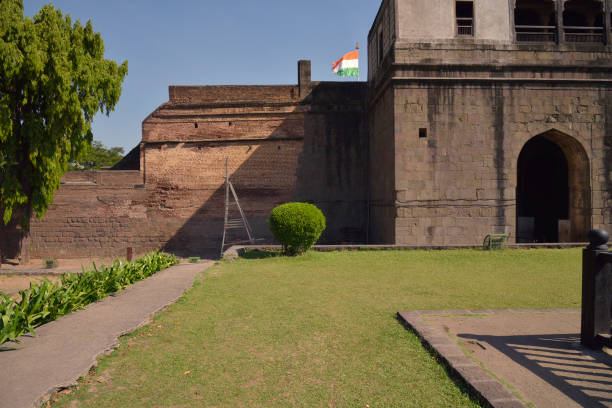
Ever walked into a place where history whispers from every stone? Where grandeur meets tragedy, and legends still echo through ruins? That’s Shaniwar Wada for you. This 293-year-old fortress in the heart of Pune isn’t just another tourist spot – it’s where the mighty Maratha Empire breathed its last breath of glory.
I visited Shaniwar Wada on a Thursday afternoon. The moment I stepped through the Delhi Gate, something shifted. Maybe it was the massive iron spikes on the doors, or the way sunlight filtered through the old archways. But you feel it – the weight of everything this place has witnessed.
What is Shaniwar Wada?
Shaniwar Wada was the headquarters of the Peshwa rulers who controlled the Maratha Empire. Think of it as the PMO of 18th century India. Built in 1732 by Peshwa Bajirao I (yes, the same Bajirao from Bajirao Mastani), this wasn’t just a palace – it was a power center that made Delhi nervous.
The name comes from ‘Shaniwar’ meaning Saturday in Marathi, because the foundation stone was laid on a Saturday. Simple as that.
Spread over 625 acres, it once had seven floors, multiple courtyards, fountains, and hundreds of rooms. Today? Only the base structure and outer walls survive. But trust me, even in ruins, this place commands respect.
Related: What Every Indian Should Know About Their Local MG Road
The Bajirao Connection – Love, Ambition & Architecture
Bajirao I wasn’t just any military commander. The man never lost a single battle in his entire career. Let that sink in. He took the Maratha Empire from regional power to the doorstep of Delhi. And Shaniwar Wada was his way of saying “we’ve arrived.”
Construction started on January 10, 1730. Bajirao personally oversaw the planning. Teak from Junnar forests, stone from Chinchwad quarries, lime from Jejuri – only the best materials. The total cost? Rs. 16,110. Sounds cheap now, but back then, it could buy you a small kingdom.
Here’s an interesting bit: Bajirao wanted to build the entire palace in stone. But after the first floor was done, people from Satara complained to Chhatrapati Shahu. Their argument? Only the king can build in stone, not the Prime Minister. So the remaining floors had to be built in brick. This detail would later prove fatal during the British artillery attacks.
The palace had everything – ornate teak pillars, marble floors covered with Persian rugs, intricate wall paintings, fountains, gardens, even a complex water supply system. The main courtyard could easily fit 1,000 people.
And yes, one of the five gates is named after Mastani, Bajirao’s second wife. The love story was real, and so was the controversy.
The Five Gates – Each with Its Own Story
Delhi Darwaza (Delhi Gate) The main entrance, facing north towards Delhi. This is the only fort in India with its main gate facing Delhi – a bold statement from Bajirao about Maratha ambitions.
The doors are massive, built to let war elephants pass through. But look closely – each door has 72 sharp iron spikes arranged in a 9×8 grid, placed exactly at elephant forehead height. Any elephant trying to ram the door would impale itself. Clever and brutal.
The door also has a smaller human-sized entry for daily use. Even if attackers broke the main gate, they’d have to make a sharp right turn, then a sharp left to actually enter – giving defenders multiple chances to counterattack.
Mastani Darwaza Named after Mastani, this gate has a quieter story. Some say it was her private entrance, others say it was just named in her honor. Either way, it stands as proof that Mastani wasn’t just Bajirao’s mistress – she held a recognized position in his household.
Ganesh Darwaza Faces southeast, the auspicious direction according to Vastu. This gate led to the Ganesh temple inside the complex.
Khidki Darwaza (Window Gate) This eastern gate got its name because it had large window-like openings. It provided ventilation and light to the inner complex.
Narayan Darwaza Named after Lord Narayan (Vishnu). Ironically, this gate also shares its name with Peshwa Narayanrao, whose murder would forever change Shaniwar Wada’s destiny.
Related: 12 Instagram-Worthy Spots Around Charminar District
The Murder That Changed Everything
Here’s where the story turns dark. Really dark.
After Bajirao I died in 1740, his eldest son Balaji Bajirao (Nanasaheb) became Peshwa. Then came Balaji’s son Madhavrao, who died young from tuberculosis at 27. This made his younger brother Narayanrao the Peshwa in 1772.
Narayanrao was just 18 years old. Young, inexperienced, and caught between power-hungry relatives.
His uncle Raghunathrao wanted the position. Raghunathrao’s wife Anandibai wanted it even more – not for her husband exactly, but for the power it brought. When Narayanrao put his uncle under house arrest after discovering a plot, Anandibai decided enough was enough.
She hired the Gardis – elite mercenaries, originally a hunting tribe from central India. These weren’t common soldiers. They were trained assassins.
The order she sent? “Narayanrao la dhara” – which meant “Hold Narayanrao.” But someone (sources differ on who) changed one letter. The message that reached the Gardis read: “Narayanrao la mara” – “Kill Narayanrao.”
One letter. One life.
On the night of August 30, 1773 (Ganesh Chaturthi), the Gardis entered Shaniwar Wada. Narayanrao heard them coming and tried to run. He ran through the corridors screaming “Kaka mala vachva!” (Uncle, save me!)
Nobody came.
The assassins caught him near the Ganesh Darwaza. What followed was brutal. They didn’t just kill him – they dismembered him. His body was cut into pieces and thrown into the Mula-Mutha river. Because the body was never properly cremated according to Hindu rituals, people believe his soul couldn’t find peace.
His uncle Raghunathrao got the position, but the guilt destroyed him. The British took advantage of the chaos, and within 45 years, the Maratha Empire collapsed.
The Ghost Story – Fact or Fiction?
Ask anyone in Pune about Shaniwar Wada, and they’ll lower their voice when they reach this part.
Local residents swear they’ve heard it. On full moon nights, a young voice crying “Kaka mala vachva!” echoes through the fort complex. Some say it happens on new moon nights instead. Others claim it’s every night after midnight.
Workers who’ve stayed late for maintenance work have reported:
- Sudden temperature drops in certain areas
- Footsteps in empty corridors
- Shadows moving where no one stands
- A feeling of being watched
One security guard I spoke to near the fort said his colleague quit after hearing crying sounds three nights in a row. “Coincidence, probably,” he added quickly. But his eyes said something else.
The fort is strictly closed after 6:30 PM. The official reason? Safety and preservation. The local reason? Nobody wants to test the ghost story.
I’m not saying I believe in ghosts. But I am saying this: when you stand in that courtyard where Narayanrao was killed, even in broad daylight, something feels off. Maybe it’s the history. Maybe it’s the tragedy. Or maybe some places just remember.
Related: Dwarka Underwater City: Facts, Discoveries & What Science Says
The Great Fire of 1828 – The Final Blow
On February 27, 1828, fire broke out inside Shaniwar Wada. Nobody knows how it started. The fire raged for seven days straight.
By then, the British controlled the complex. They’d been using it as everything from a prison to a mental asylum. The fire destroyed everything except the stone base, the outer walls, and a few teak gateways.
Some locals whisper it was the ghost’s curse. Others say it was British negligence. Historians call it an accident.
Either way, the magnificent seven-story palace burned to the ground. What you see today is barely 10% of what once stood.
What You Can See Today
Don’t let “ruins” fool you. Shaniwar Wada still impresses.
The Fortification Walls Massive stone walls with nine bastion towers still stand strong. Walk along them and imagine defending this place against an army.
Hazari Karanje (Thousand Fountain) A 16-petal lotus-shaped fountain at the center. Built to entertain young Peshwa Madhavrao, it once had 1,000 water spouts (hence the name). Now only the structure remains, but you can imagine the spectacle.
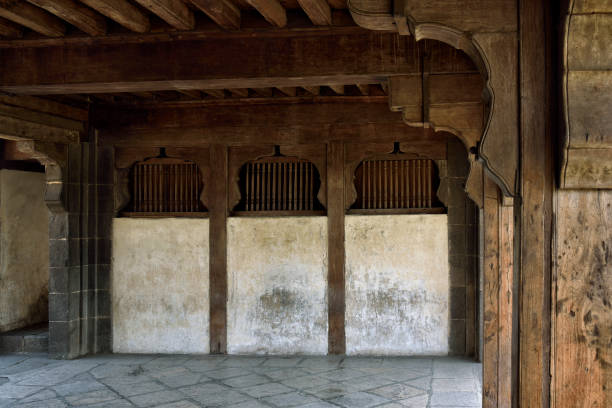
Nagarkhana (Drum House) Where announcements were made with drums and musical instruments. The wooden pillars still stand.
Court Halls Foundation traces show where the various court halls stood. The Ganesh Rang Mahal, the main durbar hall, covered a huge area.
Gardens Well-maintained gardens throughout the complex. Good for sitting and soaking in the atmosphere.
Statue of Bajirao I At the entrance, a imposing statue of Bajirao welcomes visitors. Great photo spot.
Information Boards Detailed boards throughout explain the history in Marathi and English. Take time to read them.
The Light and Sound Show – Don’t Miss It
Here’s the thing – visiting Shaniwar Wada during the day is one experience. Attending the light and sound show is completely different.
The show happens every evening in an open-air auditorium within the complex. Lights play across the ruins while the history unfolds through narration and effects. They tell the complete story – Bajirao’s rise, the glory years, Narayanrao’s murder, the decline, everything.
Show Timings:
- Marathi show: 7:15 PM to 8:10 PM
- English show: 8:15 PM to 9:10 PM
Show Ticket Price: Rs. 25 per person (separate from entry ticket)
Booking: Counter opens at 6:30 PM. Buy tickets early, especially on weekends. The show gets packed.
I watched the English show. The way they project images on the ruins, how the fountains light up, the background score – it’s well done. You’ll understand the place better after watching this.
Pro tip: Carry a light jacket. Evenings can get breezy, and you’re sitting outside for an hour.
Related: Bangalore to Hosur Outstation Cabs Guide: Distance, Route, Time, Fare and Travel Tips
Entry Fee and Timings 2025
Entry Ticket:
- Indian citizens: Rs. 25 per person
- Foreign citizens: Rs. 300 per person
- SAARC/BIMSTEC citizens: Rs. 25 per person
- Children under 15: Free entry
- Students (with valid ID): Rs. 10
Opening Hours: 8:00 AM to 6:30 PM Open all days (including holidays)
Light and Sound Show: Separate ticket of Rs. 25 Booking starts at 6:30 PM No prior online booking for the show
Best Time to Visit: Early morning (8-10 AM) or late afternoon (4-6 PM). Mid-day gets hot and crowded. October to March is the best season weather-wise.
How to Reach Shaniwar Wada
Address: Shaniwar Peth, Pune, Maharashtra 411030
By Metro: Nearest station is PMC Bhavan (400 meters away). That’s barely a 5-minute walk.
By Auto/Taxi: Just tell the driver “Shaniwar Wada” – everyone knows it. From Pune Station, it’s 3.5 km, takes about 15 minutes.
By Bus: Multiple PMPML buses stop near Shaniwar Wada. Buses from Swargate, Shivajinagar, and Katraj all pass nearby.
Parking: Limited parking available. Better to use public transport or book a cab.
Cab from Bangalore: If you’re coming from Bangalore, Shaniwar Wada is about 850 km away. That’s roughly 13-14 hours by road. You can book a comfortable cab through N Seater – they offer both one-way and round trip options with clean vehicles and verified drivers. Pune makes a great addition to a longer Karnataka-Maharashtra road trip.
Tips for Your Visit
Wear Comfortable Shoes You’ll walk a lot. The paths are uneven, with stones and broken tiles in places. Heels or fancy sandals? Bad idea.
Carry Water No drinking water facilities inside. Carry your own bottle. Small shops outside sell water and snacks.
Photography Allowed everywhere. No extra charges. The ruins photograph beautifully, especially the gates and courtyard areas.
Guide Services Official guides available at the entrance for Rs. 200-300. Worth it if you want detailed stories. Otherwise, the information boards cover basics well.
Avoid Weekends If possible, visit on weekdays. Weekends bring school groups and tourist crowds. The place loses its atmosphere when it’s packed.
Stay Till Evening If you can, stay for the light and sound show. It completes the experience.
Respect the Place Don’t litter. Don’t climb on structures. Don’t scratch your name on walls. This place has survived 293 years; let’s keep it that way.
Visit Nearby Areas The old city around Shaniwar Wada is fascinating. Narrow lanes, old wadas, traditional shops. Places like Tulsi Baug, Laxmi Road, and Kasba Peth are walking distance away.
Other Places Near Shaniwar Wada
While you’re in the area, check these out:
Dagdusheth Halwai Ganpati Temple (1.5 km) Famous Ganesh temple, always crowded but worth seeing.
Lal Mahal (1 km) Another historical structure where young Shivaji Maharaj stayed.
Pataleshwar Cave Temple (3 km) Ancient rock-cut temple from 8th century. Free entry.
Aga Khan Palace (8 km) Where Mahatma Gandhi was imprisoned. Now a museum.
Sinhagad Fort (25 km) If you have time, this hilltop fort offers great views and more Maratha history.
What to Eat Around Shaniwar Wada
The old city area has fantastic local food. Skip the touristy restaurants and try:
Mastani (the drink) Named after Bajirao’s beloved, this thick shake made with dry fruits is sold in small shops around the fort. Bajiprabhu shop near Delhi Gate is famous for it.
Misal Pav Spicy curry with pav bread. Try Bedekar Misal or Aaswad nearby.
Vada Pav Pune’s version is less spicy than Mumbai’s but equally good.
Pune Bakery Items Old Pune bakeries make excellent biscuits and cakes. Very different from modern bakery stuff.
Bhakarwadi and Chakli Traditional snacks. Buy packed boxes from shops in Tulsi Baug to take home.
Fresh Juice Small juice stalls near the fort. Try the seasonal fruit options.
Related: India Gate Travel Guide 2026
Frequently Asked Questions
Is Shaniwar Wada really haunted?
That depends on who you ask. Locals swear by the stories. Tourists report nothing unusual. The fort closes at 6:30 PM, so you can’t stay after dark to check for yourself. I’d say visit during daytime and decide based on what you feel.
How much time do I need?
1-1.5 hours for exploring the ruins. Add another hour for the light and sound show if you’re attending. Total 2-3 hours is good.
Can we go inside the towers?
No. The bastion towers are closed for safety reasons. You can only walk around the base.
Is wheelchair accessible?
Partially. The main courtyard area is accessible, but some sections have steps and uneven ground.
Can we bring food inside?
Water bottles are okay. Food is not allowed. Eat before you come or wait till you exit.
Any dress code?
No specific dress code. Just wear comfortable clothes and proper shoes for walking.
Is it safe for solo female travelers?
Yes, absolutely. The place is well-maintained, has security, and is crowded during visiting hours.
Do they have lockers?
No locker facilities. Carry only what you need. Don’t bring valuables.
Can I hire a cab for Pune sightseeing?
Yes, several cab services operate in Pune. If you’re coming from Bangalore, N Seater offers comfortable vehicles with verified drivers who know the city well.
What’s the best month to visit?
November to February. Pleasant weather, clear skies, perfect for exploring. Avoid March to June – it gets really hot.
Why Shaniwar Wada Matters
You know what strikes me most about Shaniwar Wada? It’s not just about Maratha history or architectural brilliance. It’s about how quickly glory can turn to ash.
Bajirao built this place as a symbol of unbeatable power. Within 50 years of his death, everything collapsed – the empire, the palace, the legacy. One murder, one fire, and centuries of greatness became a cautionary tale.
But here’s the other side: The ruins still stand. People still visit. Stories still get told. In a strange way, even in defeat, Shaniwar Wada refuses to be forgotten.
When you visit, take a moment in the central courtyard. Close your eyes. Imagine 1,000 people in the Ganesh Durbar hall. Hear the fountains. Smell the incense from the temple. Feel the power that once resided here.
Then open your eyes and see the reality – empty platforms, broken walls, silent corridors. That contrast? That’s what makes Shaniwar Wada special.
History isn’t just dates and names. It’s places like this that let you touch the past, feel it, understand that everything – power, glory, even empires – is temporary.
Related: Bangalore to Kodaikanal Car Rental – Distance, Route & Travel Guide
Book Your Trip to Pune
Planning to visit Shaniwar Wada from Bangalore? Make your journey comfortable with N Seater. We offer:
✓ Clean, well-maintained vehicles (cars, SUVs, tempo travellers)
✓ Verified professional drivers who know the route
✓ Flexible booking – one-way, round trip, or hourly rental
✓ Transparent pricing with no hidden charges
✓ Pay directly to driver at trip end
✓ 24/7 customer support
See actual photos of your vehicle before booking. Simple, honest, reliable – that’s how we work.
N Seater – Making journeys simple, one trip at a time
Shaniwar Wada waits. Not with fanfare or loud invitations. Just quietly, like it has for nearly three centuries. The stones remember everything they’ve seen. The question is – are you ready to listen?
Leave a Reply