
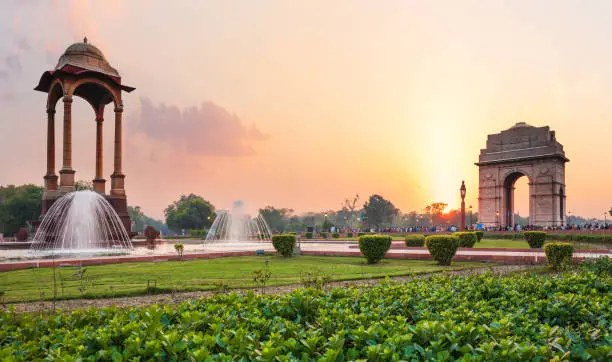
India Gate is one of the most loved places in New Delhi, a national memorial, a sightseeing spot, and a vibrant hangout all at once. Built to honour the Indian soldiers who fought in World War I, this grand sandstone arch stands in the heart of the city and attracts visitors from across India.
People come here for many reasons:
✔ to learn about its history
✔ to enjoy an evening walk
✔ to relax on the green lawns
✔ to watch the lights at night
✔ and to explore nearby museums, markets, and food spots
Whether you’re visiting Delhi for the first time or you live here, India Gate offers a mix of culture, beauty, and peaceful open spaces that everyone enjoys.
In this guide, you’ll find everything you need, things to do, best time to visit, places nearby, timings, transport options, and simple local tips. It’s written in clear, easy-to-understand language and designed to help you enjoy your trip without confusion.
What Is India Gate?
India Gate is one of the most important landmarks in New Delhi. It is a national war memorial built to honour the Indian soldiers who lost their lives during World War I and the Afghan War of 1919. The monument was designed by Sir Edwin Lutyens, the main architect behind several key buildings in New Delhi.
The structure is 42 metres high and made of red and yellow sandstone. It stands in the centre of Delhi on Kartavya Path, earlier known as Rajpath. The wide open lawns, clean walkways, and the long stretch of road that leads to Rashtrapati Bhavan make the area a major attraction for visitors.
Important things that make India Gate special:
- National importance
India Gate has the names of more than thirteen thousand soldiers engraved on its walls. This makes it one of the largest war memorials in India. - Amar Jawan Jyoti
A flame was added after the Indo Pakistan War of 1971 to honour soldiers who fought for the nation. This site has been a place where leaders, citizens, and visitors pay their respect. - Open public space
The area around India Gate is always buzzing with life. People come for morning walks, evening outings, photography, and simple family time. The lawns are a popular place for picnics, especially during the winter season. - Central location
India Gate is surrounded by some of the most important spots in Delhi, like Rashtrapati Bhavan, National War Memorial, and major museums. This makes it a starting point for many city sightseeing tours. - Beautiful lighting at night
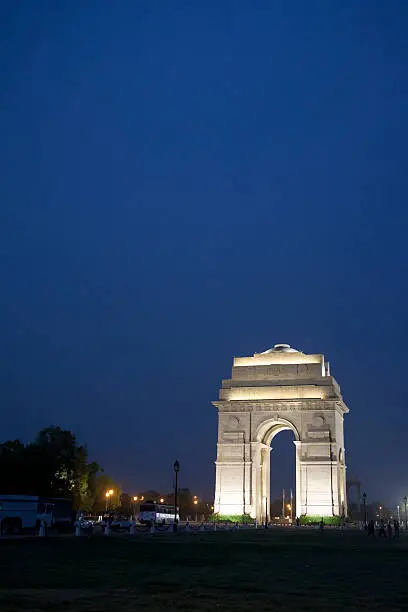
Many visitors come specially to see India Gate after sunset. The monument is beautifully lit, and the fountains nearby add to the charm.
India Gate is more than a memorial. It is a place where history, architecture, culture, and everyday life come together. Whether you are interested in the past, love open spaces, or simply want to explore Delhi, India Gate gives you a meaningful and peaceful experience.
History of India Gate
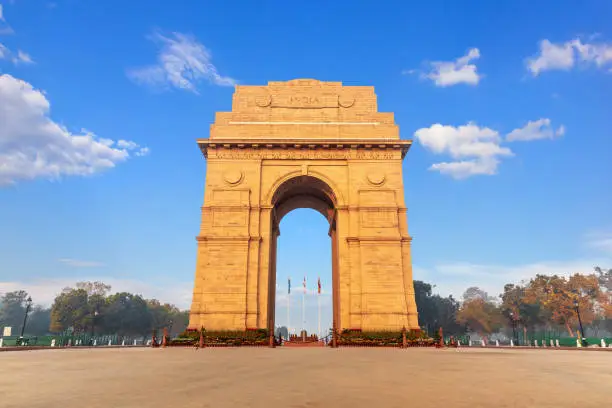
The history of India Gate goes back more than a hundred years. It was built to honour the Indian soldiers who served and lost their lives during World War I and the Third Anglo Afghan War. At that time, India was still under British rule, and thousands of soldiers were sent to fight overseas. Their bravery and sacrifice needed a permanent memorial, and this thought led to the creation of India Gate.
The foundation stone of India Gate was laid in the year 1921. Sir Edwin Lutyens, one of the most respected architects of that period, was chosen to design it. Lutyens was already responsible for planning several important parts of New Delhi, including Rashtrapati Bhavan and the central government district. He believed in simple, strong, and timeless designs, and this style is clearly visible in India Gate.
After ten years of construction, India Gate was finally completed in 1931. It was originally called the All India War Memorial. The monument has the names of more than thirteen thousand British and Indian soldiers engraved on its surface. These names are still visible and remind visitors of the lives that were sacrificed far from home.
A major addition to India Gate’s history came much later. After the Indo Pakistan War of 1971, the Amar Jawan Jyoti was added under the arch. This eternal flame was meant to honour the soldiers who died during that war. For decades, the flame remained a powerful symbol of courage and national pride.
India Gate stands in the middle of a large ceremonial area. When New Delhi was being built as the new capital of India, this space was planned to reflect dignity and a sense of national importance. Important national events, gatherings, and ceremonies have taken place here since independence.
Today, India Gate is not only a reminder of the past but also a part of Delhi’s living culture. It connects history with the present, and every visitor, whether from India or abroad, gets a sense of how deeply the monument is tied to the country.
Related: 25 Best Weekend Getaways from Bangalore by Road (For Every Traveler)
Architecture and Design of India Gate
The architecture of India Gate is one of the main reasons it stands out as a landmark. Sir Edwin Lutyens designed the monument with a focus on strength, balance, and dignity. He avoided religious symbols and followed a clean, classical style so the memorial would represent every soldier equally.
India Gate is built using red and yellow sandstone sourced from Bharatpur in Rajasthan. The monument rises to a height of about 42 metres, making it easy to spot from far away. Its overall shape is similar to historic triumphal arches found in Europe, especially the Arc de Triomphe in Paris, yet it carries its own identity and purpose.
The main arch has strong vertical lines and a wide opening that gives it a grand look. On the surface of the monument, you will find the words “India” written at the top along with the years 1914 and 1919. Beneath this, the walls carry the names of thousands of soldiers who died in battles. These engravings are one of the most moving parts of the structure.
A few steps away from the arch, a canopy stands facing India Gate. This canopy was built in 1936 in honour of King George V. It once held a statue of the king, but the statue was removed after India gained independence. The canopy remains as part of the original city design and adds to the historic setting of the area.
The open area around India Gate is also part of its architectural charm. Wide lawns, tree-lined paths, and long view corridors were planned to give people a peaceful public space. The design allows visitors to walk, relax and enjoy open skies, something that makes this part of Delhi feel welcoming and spacious.
Later, the Amar Jawan Jyoti was added beneath the arch. This structure, with a reversed rifle and soldier’s helmet, became a central symbol for remembering the heroes of the 1971 war. Its continuous flame made India Gate an active site of national remembrance for many years.
The combination of thoughtful design, quality materials, and a meaningful purpose makes India Gate one of the finest examples of memorial architecture in India. It blends history, emotion, and aesthetics in a way that connects deeply with visitors.
Best Things to Do at India Gate
India Gate is more than a historical site. It is one of the few places in Delhi where you can enjoy history, culture, open spaces, and local experiences all in one visit. Here are the best things to do when you come to India Gate.
1. Walk around the memorial and read the names engraved on the monument
Take a slow walk around the structure and notice the names of the soldiers carved into the sandstone. This helps you understand the real meaning behind the memorial and makes the visit more meaningful. Many visitors spend time here simply to reflect and learn.
2. Visit Amar Jawan Jyoti and pay your respects
The Amar Jawan Jyoti is located just below the main arch. It was built to honour the soldiers who lost their lives in the 1971 war. The design includes a reversed rifle, a soldier’s helmet, and a flame. Standing here gives a sense of pride and deep respect.
3. Enjoy an evening walk and watch the monument light up
Evenings at India Gate are one of the best experiences. The monument glows beautifully with soft lights and the entire area feels lively and peaceful. Many families, tourists, and locals come here to relax after sunset.
4. Spend time on the lawns around India Gate
The large green lawns on both sides are perfect for picnics, casual sitting, or short breaks during your Delhi trip. Winter afternoons and evenings are especially enjoyable, and the cool breeze makes the place feel refreshing.
5. Try local snacks and street food
The area around India Gate often has stalls and small vendors selling popular Indian snacks like bhelpuri, chaat, ice cream, coconut water, and roasted corn. It adds a fun and local flavour to your visit. Make sure to choose clean and trusted vendors.
6. Capture great photos during sunrise or sunset
India Gate offers excellent photo spots. Early morning shots capture soft light and empty paths, while evening photos show the colours of the sky and the glowing monument. Night photography is also famous here.
7. Explore the National War Memorial nearby
Right next to India Gate is the National War Memorial, a newer and beautifully designed space that honours all Indian soldiers who have lost their lives in different wars. The pathways, circles and light arrangements make it a must-visit spot.
8. Enjoy cycling or scooter rides early in the morning
The Kartavya Path area is safe and open early in the morning. Many locals and tourists prefer cycling around the India Gate circle. The cool weather and quiet roads make it perfect for a fresh start to the day.
9. Attend cultural events if you visit during a festival or special day
On certain days, India Gate becomes the centre of cultural shows, parades, or official ceremonies. Republic Day practices, Independence Day gatherings, and public celebrations often happen near this area.
10. Sit by the fountains and relax
The fountains near India Gate add a peaceful charm, especially in the evening when the colours change. Sitting here gives you a break from the busy pace of Delhi.
11. Take a short walk to nearby museums
The area around India Gate is filled with important museums. You can walk to the National Museum, National Gallery of Modern Art, and several cultural exhibition centres. This turns your visit into a complete day of exploration.
12. Join a heritage walk with a guide
If you want to learn deeper stories, a guided walk helps you understand lesser-known facts about Delhi’s architecture, planning, and colonial history. Several local guides offer this service around India Gate.
India Gate gives you a complete mix of learning, relaxation, and local experiences. Whether you have one hour or half a day, you will always find something enjoyable and memorable here.
Related: 15 Best Places in India to Visit by Road in December (For Snow & Sun)
Lesser Known Facts About India Gate
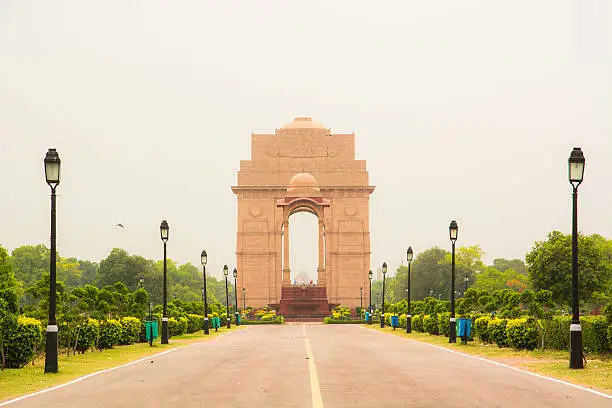
India Gate is one of the most visited places in Delhi, but there are many interesting details about the monument that most people do not know. These lesser known facts add depth to your visit and make the landmark even more fascinating.
1. The design of India Gate was inspired by European war memorials
Sir Edwin Lutyens followed a classical architectural style that was used for war memorials in Europe. While it resembles the Arc de Triomphe in Paris, it is not a copy. Lutyens created a design that fit the Indian climate, materials, and cultural setting.
2. The names on India Gate include both Indian and British soldiers
More than thirteen thousand names are engraved on the monument. These include Indian soldiers who fought in World War I, as well as British officers who served in the same campaigns. It is one of the largest memorials of its kind.
3. India Gate was once meant to be a part of a larger memorial plan
When New Delhi was being designed, the stretch from Rashtrapati Bhavan to India Gate was planned as a ceremonial axis. The idea was to create a grand space for national gatherings, parades, and public events, which continues even today.
4. The canopy near India Gate once had a statue of King George V
About 150 metres from India Gate stands a large sandstone canopy. It was built in 1936 to house the statue of King George V. After independence, the statue was removed and placed in Coronation Park. The canopy remains as part of the city’s original layout.
5. India Gate was originally called the All India War Memorial
Before independence, this was the official name of the monument. It reflected the contributions of soldiers from different parts of India who served in the British Indian Army.
6. The foundation stone was laid in a public ceremony in 1921
The Viceroy of India, Lord Irwin, laid the foundation stone publicly. Large crowds gathered for the event, and the ceremony was widely reported at the time.
7. The Amar Jawan Jyoti was added after the 1971 war
Although India Gate was completed in 1931, the Amar Jawan Jyoti came much later. It was built to honour the soldiers who died in the Indo Pakistan War of 1971. The flame became a powerful national symbol for decades.
8. India Gate was once used for ceremonial oil lamps
The top of the arch has provision for a large metal bowl that could hold a ceremonial oil flame. This was lit on special occasions, although it is rarely used now.
9. The lawns around India Gate were designed for public use right from the start
Unlike many colonial monuments that were restricted, India Gate’s surroundings were planned as open spaces for citizens. Lutyens wanted people to interact with the area freely.
10. India Gate hosts major national events throughout the year
Many rehearsals and gatherings for Republic Day and Independence Day take place near India Gate. The broad roads and open spaces make it ideal for large national celebrations.
India Gate may look simple at first glance, but when you know these lesser known details, your visit becomes richer and more meaningful. These stories show how the monument is deeply connected to India’s history, architecture, and public life.
Places to Visit Near India Gate
India Gate is located in one of the most important and scenic parts of New Delhi. Many popular attractions, museums, markets, and cultural spots are only a short walk or a quick cab ride away. Here are the best places to visit near India Gate.
1. National War Memorial
The National War Memorial is located right next to India Gate. It honours all Indian soldiers who have lost their lives in different wars since independence. The memorial has beautifully designed circles, clean pathways, and detailed information about India’s military history. The evening lights here look especially impressive.
Distance from India Gate: Walking distance
Time needed: 30 to 45 minutes
2. Rashtrapati Bhavan
Rashtrapati Bhavan, the official home of the President of India, is one of the grandest buildings in the country. Designed by Lutyens and Baker, it has huge courtyards, gardens, and long ceremonial roads. The popular Mughal Gardens, now called Amrit Udyan, open to the public during specific months.
Distance: About 2.5 kilometres
Time needed: 1 to 2 hours
3. National Museum
The National Museum is one of India’s largest museums. It has galleries on ancient history, art, culture, coins, paintings, and sculptures. Visitors can see Harappan artefacts, Mughal jewellery, tribal arts, and many rare items.
Distance: About 1 kilometre
Time needed: 1 to 3 hours
4. National Gallery of Modern Art (NGMA)
Located near Jaipur House, NGMA is the perfect place for art lovers. It displays modern Indian art, sculptures, temporary exhibitions, and special cultural events. The building itself is historic and adds charm to the experience.
Distance: About 800 metres
Time needed: 1 to 2 hours
5. Children’s Park
Families visiting India Gate often spend time at Children’s Park. It has slides, rides, open play areas, food stalls, and resting spaces. Kids enjoy the activity zones, while adults can relax nearby.
Distance: Right beside India Gate
Time needed: 30 minutes to 1 hour
6. Janpath Market
Janpath Market is a lively shopping area with clothes, jewellery, home decor, handicrafts, and trendy items at budget prices. Bargaining is common, and the market is always full of colour and energy.
Distance: Around 2 kilometres
Time needed: 1 to 2 hours
7. Connaught Place (CP)
Connaught Place is one of Delhi’s most famous commercial areas. It has restaurants, cafes, branded stores, cinemas, bookshops, and nightlife options. The circular design and colonial buildings give it a unique look.
Distance: About 3 kilometres
Time needed: 2 to 4 hours
8. Gurudwara Bangla Sahib
This peaceful gurudwara is known for its holy sarovar and its tradition of langar, where free meals are served daily. Visitors experience a calm atmosphere, devotional music, and a strong sense of community.
Distance: About 3.5 kilometres
Time needed: 30 minutes to 1 hour
9. Khan Market
Khan Market is one of Delhi’s most stylish markets. It has cafes, bookstores, boutique shops, bakeries, and lifestyle stores. Many tourists enjoy spending time here after visiting India Gate.
Distance: About 2 kilometres
Time needed: 1 to 2 hours
10. Waste to Wonder Park
This unique park features replicas of world monuments like the Eiffel Tower, Taj Mahal, and Leaning Tower of Pisa, all made from scrap materials. It is creative, educational, and great for photos.
Distance: About 6 kilometres
Time needed: 1 to 2 hours
These nearby places help you plan a complete day around India Gate. Whether you enjoy history, art, food, shopping, or peaceful walks, the area offers something for every kind of visitor.
Related: Bangalore to Pondicherry Cab Service – Routes, Fares & Travel Guide
Suggested Itinerary for Visiting India Gate
Your experience at India Gate depends on how much time you have. Below are clear, easy-to-follow itineraries designed for different types of visitors. These plans help you cover the best spots without feeling rushed.
1. If you have 1 hour
This is perfect for a quick visit or if you are passing through central Delhi.
Plan:
- Start at India Gate and walk around the main arch.
- Read a few engraved names and learn about the memorial.
- Spend around 10 minutes at Amar Jawan Jyoti.
- Take quick photos from the front side and from the lawns.
- End your visit with a short stroll towards the fountains.
Ideal for: Travellers in a hurry, business visitors, or people exploring Delhi by cab.
2. If you have 2 to 3 hours
This is the most recommended time to enjoy the full area around India Gate.
Plan:
- Begin at India Gate and understand the history.
- Visit the National War Memorial, which is only a few steps away.
- Take photos during daylight, sunset, or early evening.
- Relax on the lawns and enjoy the view.
- Try light snacks like bhelpuri, roasted corn, or coconut water.
- Watch the monument lighting if you stay into the evening.
Ideal for: Families, couples, and tourists planning a relaxed half-visit around central Delhi.
3. Half-day itinerary (4 to 5 hours)
Choose this if you want a complete cultural and historic experience.
Plan:
- Start early morning at India Gate for peaceful views.
- Walk to the National War Memorial and spend time reading the information panels.
- Take a cab or walk to the National Museum or NGMA for art and history.
- Have lunch at Connaught Place or Khan Market.
- Return to India Gate in the evening to see the lights and enjoy the cool breeze.
Ideal for: Travel lovers, history enthusiasts, photographers, and Delhi first-timers.
4. Night visit itinerary
A night visit offers a completely different experience.
Plan:
- Arrive around 7.00 pm when the lights come on.
- Enjoy the glowing monument and colourful fountains.
- Take night photographs with long exposures if you enjoy photography.
- Walk with your family or friends along the pathways.
- Have ice cream or a warm snack nearby.
Ideal for: Couples, friends, and anyone exploring Delhi nightlife.
5. Early morning itinerary
For people who enjoy calm, quiet surroundings.
Plan:
- Visit between 6.00 am to 8.00 am.
- Walk or jog around the circle.
- Enjoy fresh air and sunrise lighting.
- Take great photos without crowds.
- Sit on the lawn with tea or coffee from nearby vendors.
Ideal for: Fitness lovers and peaceful morning explorers.
These itineraries make your visit smooth, enjoyable, and well-planned. Whether you have a few minutes or half a day, you will always find something special to experience at India Gate.
How to Reach India Gate
India Gate is located in the centre of New Delhi, which makes it very easy to reach from almost every part of the city. You can travel by metro, bus, cab, auto, or even walk if you are staying nearby. Here are the best and simplest ways to get there.
1. By Metro (Most convenient option)
Metro is one of the easiest ways for tourists to reach India Gate.
Nearest Metro Stations:
- Central Secretariat Station (Yellow Line and Violet Line)
- Khan Market Station (Violet Line)
- Udyog Bhawan Station (Yellow Line)
From these stations, you can take an auto or walk, depending on your comfort.
Approximate walking time:
- Central Secretariat: 15 to 20 minutes
- Khan Market: 10 to 15 minutes
- Udyog Bhawan: 15 minutes
This option is affordable, quick, and avoids Delhi traffic.
2. By Cab or Auto
Taking a cab or an auto is the most comfortable option, especially for families.
Why this is convenient:
- Direct drop at the monument
- No need to find walking routes
- Good for elderly visitors or travellers with kids
You can book a cab from any part of Delhi, Gurugram, Noida, or the airport. The roads leading to India Gate are smooth and well connected.
3. From IGI Airport
If you are coming straight from Indira Gandhi International Airport, reaching India Gate is easy.
Travel time:
Approximately 25 to 35 minutes, depending on traffic.
You can choose:
- Airport cab service
- App-based taxis
- Prepaid airport taxis
This route passes through clear, wide roads and gives a good first look at Delhi.
4. From New Delhi Railway Station
New Delhi Railway Station is one of the busiest in India, but getting to India Gate from here is simple.
Travel time: Around 15 to 20 minutes by cab
Options: Cab, auto, or bus
If you prefer metro, take the Yellow Line to Central Secretariat Station and then take a short auto ride.
5. By Bus
Several DTC buses and cluster buses connect India Gate to different parts of the city.
Look for buses going towards:
- National Stadium
- Patiala House
- Akbar Road
- Ashoka Road
- Central Secretariat
Get down near these stops and walk to the monument.
This is a budget-friendly option for solo travellers and students.
6. By Self Drive or Two Wheeler
If you are driving your own car or bike:
- Use GPS navigation to reach “India Gate C Hexagon Road”.
- Parking is available in nearby areas, but it may get crowded during evenings and weekends.
- Morning and late-night visits make parking easier.
7. Walking from Nearby Attractions
If you are already visiting nearby places like
- National War Memorial
- National Museum
- Kartavya Path
- Rashtrapati Bhavan lawns
you can simply walk to India Gate. The pathways are clean, open, and comfortable for short walks.
Travel Tip
Evenings and weekends can get crowded. If you want a peaceful visit, try coming early morning or late afternoon.
Related: Bangalore to Tirupati Cab Service – Fares, Routes & Darshan Guide
Best Time to Visit India Gate
The best time to visit India Gate depends on the weather, crowd levels, and the kind of experience you want. Since Delhi has hot summers and pleasant winters, planning your visit at the right time makes a big difference.
1. Best Season: October to March
This is the most comfortable period for sightseeing in Delhi.
Why this time is ideal:
- Cool weather and clear skies
- Perfect for walking and spending time outdoors
- Great conditions for photography
- More cultural events and activities in the city
Day temperatures usually range between 10 to 25 degrees Celsius during these months, which makes the whole India Gate area enjoyable.
2. Best Time of Day: Early Morning or Evening
These two timings offer the most peaceful and enjoyable experience.
Early Morning (6.00 am to 9.00 am)
Good for visitors who like quiet surroundings.
Benefits:
- Fresh air
- Fewer crowds
- Perfect for jogging or walking
- Beautiful sunrise colours for photos
Evening (5.30 pm onwards)
Evening is the most popular time to visit.
Benefits:
- Cooler temperature
- Beautiful lighting on India Gate
- Colourful fountain
- Lively atmosphere with families and tourists
- Night photography looks stunning
Many people come here after work or after sightseeing around central Delhi.
3. Night Visit: After 8.00 pm
A night visit gives a very different experience.
The monument glows under bright lights, the roads are quieter, and the weather feels pleasant in almost every season.
Perfect for:
- Couples
- Friends
- Travellers who enjoy calm and open spaces
- Photographers
4. Avoid Visiting in the Afternoon During Summer
Delhi summers can be extremely hot, especially from April to June.
Why afternoons should be avoided:
- Temperatures often reach above 40 degrees
- Strong sun and low shade options
- Tiring to walk on open grounds
If you are visiting during summer, prefer early mornings or late evenings.
5. Weekday vs Weekend
- Weekdays are more peaceful.
- Weekends and public holidays are usually crowded because many families come to relax here.
If you want a quiet experience, a weekday morning or afternoon is best.
Summary for the Best Experience
- Best months: October to March
- Best time: Morning or evening
- Avoid: Summer afternoons
- Best for photos: Sunrise, sunset, and night
- Best for peaceful visit: Weekday mornings
Choosing the right time ensures you enjoy India Gate comfortably and get the best views of the monument and its surroundings.
Timings, Entry Fee, and Visitor Information
India Gate is one of the most visitor-friendly places in New Delhi. The area is open throughout the year and welcomes people at any time of the day. Here is the complete and updated visitor information you need before planning your visit.
1. Timings of India Gate
India Gate is open 24 hours, all seven days of the week.
This means you can visit:
- Early in the morning for a peaceful walk
- During the day for sightseeing
- In the evening for lights and fountains
- At night for a calm and beautiful view
There are no restrictions on entry time because it is a public monument in an open area.
2. Entry Fee
There is no entry fee to visit India Gate.
It is completely free for all visitors, both Indian and international.
This makes it one of the most popular sightseeing spots in Delhi for families, tourists, students, and travellers on any budget.
3. Photography Rules
Photography is allowed at India Gate.
You can take:
- Mobile photos
- DSLR or camera photos
- Night photography
- Group photos and travel shots
However, avoid blocking pathways and be mindful of other visitors.
4. Light Show Timing
India Gate looks most beautiful after sunset.
The lighting usually begins around 7.00 pm and continues till 9.00 pm.
The monument glows in warm colours and the fountains nearby create a colourful display.
5. Boating Timings (If Available Seasonally)
Boating services near India Gate are open on specific days and seasons.
The usual timing is from 2.00 pm to 9.00 pm, but this can vary based on weather and maintenance.
It is best to check on arrival or ask local staff for the latest update.
6. Safety Information
India Gate is generally safe, especially during:
- Morning walks
- Evening visits
- Family outings
Security cameras and police patrols are common in the area.
Still, keep basic precautions in mind:
- Stay in well-lit areas at night
- Keep your belongings secure
- Use trusted food and drink vendors
7. Facilities Available
You will find:
- Clean walking paths
- Public lawns
- Nearby washrooms (government and paid)
- Ice cream and snack vendors
- Seating areas
- Parking zones in nearby sections
The entire area is designed to be comfortable for visitors of all ages.
8. Accessibility
India Gate is accessible for:
- Wheelchair users
- Elderly visitors
- Families with strollers
The ground is mostly flat and easy to move around.
9. Visitor Tip
If you want good photos with fewer people in the frame, visit early morning or late afternoon on a weekday.
If you want the full lively atmosphere, choose evenings, especially during winter.
Related: Bangalore to Goa: The Ultimate Travel Guide 2026
Travel Tips for Visiting India Gate
A visit to India Gate becomes more enjoyable when you plan it the right way. These simple tips will help you stay comfortable, save time, and explore the area without any stress.
1. Choose the right time to visit
Evenings and early mornings are the best times.
- Morning gives a peaceful and fresh environment.
- Evening offers beautiful lighting, cool weather, and a lively crowd.
Avoid hot afternoons, especially in summer.
2. Wear comfortable footwear
You will walk a lot around the lawns, paths, and nearby attractions.
Comfortable shoes or sandals make the visit easier and more enjoyable.
3. Carry water and stay hydrated
India Gate is an open space. During warmer months, carry a water bottle to avoid dehydration.
You can refill water at nearby kiosks or buy packaged bottles from vendors.
4. Keep your belongings safe
India Gate attracts large crowds, especially on weekends.
Be alert and keep your phone, wallet, and camera secure.
Avoid handing belongings to strangers for photos.
5. Prefer trusted food stalls
Street food around India Gate is popular, but choose clean and well-known vendors.
Go for simple items like ice cream, coconut water, roasted corn, or packaged snacks if you want something light and safe.
6. Plan parking in advance
If you are coming in your own vehicle, remember that:
- Parking can become crowded on weekends.
- Weekday mornings and late evenings have better availability.
Using a cab or auto is often more convenient.
7. Keep some cash handy
While digital payments work almost everywhere, some small vendors may prefer cash.
Carrying a small amount of cash avoids inconvenience.
8. Explore nearby attractions on foot
Many places like the National War Memorial, Children’s Park, and NGMA are close enough to walk.
Walking saves time and lets you enjoy the open surroundings.
9. Dress according to the weather
Delhi’s climate changes sharply between seasons.
- In winter, carry a light jacket.
- In summer, wear cotton clothes and sunscreen.
- A cap or umbrella helps during strong sunlight.
10. Follow basic safety rules at night
Night visits are beautiful, but stay in well-lit areas.
The main paths near the monument are usually safe and patrolled.
11. Respect the memorial
India Gate honours the bravery of Indian soldiers.
Avoid loud behaviour, climbing the structure, or littering.
Help keep the area clean for everyone.
12. Use a guide if you enjoy history
Local guides or audio guides can help you understand deeper stories about the monument, Delhi’s planning, and India’s military history.
This makes your visit more meaningful.
Best Places to Eat Near India Gate
After exploring India Gate, many visitors look for a good place to eat nearby. The central Delhi area offers a mix of cafes, restaurants, and street food options for every type of traveller. Here are some of the best places to eat near India Gate, along with what they are known for and how far they are from the monument.
1. Café Lota
Distance: Around 2.5 kilometres
Why visit: Café Lota is famous for its modern take on regional Indian dishes. The food is fresh, flavourful, and beautifully presented.
Must try: Millet upma, bhapa doi, palak chaat
Good for: Brunch lovers and people who enjoy Indian fusion cuisine.
2. The Imperial Hotel Restaurants
Distance: About 2 kilometres
Why visit: The Imperial is one of Delhi’s most iconic hotels. It has several premium dining options such as 1911 Restaurant, Daniell’s Tavern, and The Spice Route. Each offers high-quality food in a royal setting.
Must try: South Asian dishes at The Spice Route, luxury buffets at 1911
Good for: Families, couples, and luxury dining.
3. Khan Market Cafes
Distance: Around 2 kilometres
Why visit: Khan Market has some of the most popular cafes and bakeries in Delhi. You will find everything from Indian snacks to Italian, Asian, and continental dishes.
Must try: Big Chill Café pastas, Perch coffee, Yellow Brick Road meals
Good for: Friends, couples, or a relaxed café outing.
4. Connaught Place Restaurants (CP)
Distance: About 3 kilometres
Why visit: CP is a major food hub with restaurants, dessert shops, and famous chains. You can find vegan options, North Indian food, fast food, bakeries, and street snacks all in one place.
Must try: Indian dishes at Saravana Bhavan, rolls at Kathi Junction, desserts at Wengers
Good for: Groups, families, and travellers exploring central Delhi.
5. Andhra Bhavan Canteen
Distance: About 2.5 kilometres
Why visit: Known for its affordable and tasty South Indian and Andhra meals. Simple, authentic, and served quickly.
Must try: Andhra thali, lemon rice, curd rice
Good for: Budget travellers and people who prefer home-style meals.
6. India Gate Street Food
Distance: Right outside the monument
Why visit: The area around India Gate has several vendors selling quick snacks that are perfect for a casual evening outing.
Popular items: Bhelpuri, chaat, roasted corn, ice cream, coconut water
Good for: Light snacks during a walk or photo session.
7. The Claridges Restaurants
Distance: Less than 2 kilometres
Why visit: The Claridges has high-quality restaurants like Dhaba, Pickwicks, and Jade. Dhaba is especially famous for its rich North Indian flavours.
Must try: Butter chicken, tandoori dishes, parathas
Good for: Families, business travellers, and special occasions.
8. Pandara Road Market
Distance: Around 3 kilometres
Why visit: A classic Delhi spot known for its North Indian restaurants. Many families visit here on weekends for hearty meals.
Must try: Dal makhani, butter chicken, kebabs
Good for: People who love traditional Indian food.
9. Bangla Sahib Langar
Distance: Around 3.5 kilometres
Why visit: Bangla Sahib Gurudwara serves simple, delicious, and free langar meals to everyone. The atmosphere is peaceful and spiritual.
Good for: Visitors looking for a meaningful and community-driven food experience.
10. Street Food at Bengali Market
Distance: About 4 kilometres
Why visit: Bengali Market is known for its chaat, sweets, and vegetarian snacks. It is one of Delhi’s oldest and most loved food corners.
Must try: Chole bhature, golgappe, jalebi
Good for: Street food lovers and families.
Related: Bangalore to Kodaikanal Car Rental – Distance, Route & Travel Guide
Where to Stay Near India Gate
The area around India Gate is one of the best and safest places to stay in New Delhi. It is close to major attractions, government buildings, markets, and well-planned roads. Whether you want luxury, comfort, or a budget-friendly stay, you will find many good hotels nearby.
Here are some of the best options, grouped for easy understanding.
1. Luxury Hotels Near India Gate
The Imperial, New Delhi
Distance: Around 2 kilometres
Why stay here:
One of Delhi’s most iconic and historic hotels. Known for its royal interiors, large rooms, and world-class service.
Best for: Luxury travellers, families, business visitors.
The Taj Mahal Hotel, Mansingh Road
Distance: About 3 kilometres
Why stay here:
A top choice for guests who want premium comfort, fine dining, and beautiful views of central Delhi.
Best for: Couples, high-end travellers, corporate stays.
The Le Meridien, New Delhi
Distance: Around 2.5 kilometres
Why stay here:
Modern rooms, great restaurants, and close to Connaught Place and central attractions.
Best for: Travellers who like a stylish and comfortable stay.
2. Mid Range Hotels Near India Gate
The Claridges
Distance: Less than 2 kilometres
Why stay here:
Known for classic design, friendly staff, peaceful surroundings, and excellent food options.
Best for: Families and travellers looking for comfort without extreme luxury.
Ambassador Hotel, Khan Market
Distance: About 1.2 kilometres
Why stay here:
Located in a calm and beautiful neighbourhood. Very easy access to Khan Market and Lodhi Garden.
Best for: Travellers who enjoy cultural and historic surroundings.
The Hans Hotel
Distance: About 1.8 kilometres
Why stay here:
Clean, comfortable rooms with quick access to India Gate, CP, and central business districts.
Best for: Business visitors and tourists who prefer convenience.
3. Budget Friendly Hotels Near India Gate
LaSagrita Boutique Hotel
Distance: Around 1.5 kilometres
Why stay here:
A neat, affordable boutique hotel with good service, peaceful rooms, and friendly staff.
Best for: Solo travellers, couples, and small families.
Bloom Rooms, Janpath
Distance: About 2 kilometres
Why stay here:
Simple, bright, clean rooms with essential facilities. Great value for money and close to CP.
Best for: Students, backpackers, and short stays.
4. Guesthouses and Short Stay Options
YWCA, Canning Road
Distance: Around 2 kilometres
Why stay here:
Clean rooms, safe location, and budget friendly pricing.
Best for: Solo women travellers, groups, and those looking for a homely environment.
Lutyens Bungalow (Heritage Stay)
Distance: About 2 kilometres
Why stay here:
A heritage-style stay with greenery, calm surroundings, and a very homely feel.
Best for: Travellers who prefer unique and peaceful stays.
5. Why Staying Near India Gate Is a Good Choice
- Easy access to central Delhi
- Close to museums, parks, markets, and monuments
- Safe and well maintained neighbourhood
- Good transport options including metro, autos, and cabs
- Ideal for sightseeing and family visits
Conclusion
India Gate is one of those places in Delhi that connects history, culture, and everyday life in a very natural way. Whether you come here to learn about the past, enjoy an evening walk, take photographs, or relax on the open lawns, the monument gives you a calm and meaningful experience. Its central location also makes it easy to explore nearby attractions, museums, markets, and food spots, which helps you enjoy a full day in and around the heart of New Delhi.
For travellers coming from outside Delhi or for families planning a comfortable city tour, choosing the right mode of travel makes a big difference. Many visitors prefer booking a reliable outstation cab or a full day taxi service so they can explore India Gate and the nearby places without stress. If you want a clean car, trained driver, and smooth travel experience, N Seater Outstation Cabs can be a helpful choice. Having a trusted driver who knows the city well saves time and makes your whole trip easier.
Whether you visit in the peaceful morning hours or during the glowing evening lights, India Gate always leaves a strong impression. It stands as a reminder of courage, unity, and India’s rich heritage, and it welcomes everyone with open space and open sky. A visit here will always stay in your memory, no matter how many times you return.
Related: Is a Monthly Car Rental Worth It in India? A Complete 2026 Guide
Frequently Asked Questions About India Gate
These are some of the most commonly asked questions by travellers, students, and first-time visitors. Each answer is simple, accurate, and helpful for planning your visit.
1. What is India Gate famous for?
India Gate is famous for being a national war memorial built to honour thousands of Indian soldiers who fought in World War I and the Afghan War of 1919. It is also known for its beautiful lawns, night lighting, and central location in New Delhi.
2. Is India Gate open every day?
Yes, India Gate is open every day of the year. The area is accessible twenty four hours a day because it is a public monument in an open space.
3. Is there any entry fee to visit India Gate?
No, there is no entry fee. Visiting India Gate is completely free for everyone.
4. What is the best time to visit India Gate?
The best time to visit is between October and March when the weather is pleasant. Within a day, early mornings and evenings are ideal for a peaceful experience and good photos.
5. Is India Gate safe to visit at night?
Yes, India Gate is generally safe at night. The area has security patrols, police presence, and lighting. Still, avoid very isolated corners and stay on the main paths.
6. How can I reach India Gate by metro?
The nearest metro stations are Central Secretariat, Udyog Bhawan, and Khan Market. From any of these stations, you can take an auto or walk to India Gate.
7. What are the must visit places near India Gate?
Popular nearby attractions include the National War Memorial, Rashtrapati Bhavan, National Museum, NGMA, Children’s Park, Connaught Place, and Khan Market.
8. Can I take photos at India Gate?
Yes, photography is allowed. You can take pictures with mobile phones or cameras. Evening and night photos are especially beautiful.
9. What is Amar Jawan Jyoti?
Amar Jawan Jyoti is a structure under the India Gate arch. It was built after the 1971 Indo Pakistan War to honour fallen soldiers. It includes a reversed rifle, a soldier’s helmet, and a flame that symbolizes courage and sacrifice.
10. How long does it take to visit India Gate?
A quick visit takes around one hour. For a more relaxed experience including nearby places, plan for two to three hours.
11. Is parking available near India Gate?
Yes, parking areas are available, but they can get crowded on weekends and evenings. Using a cab is often easier.
12. Is India Gate child friendly?
Yes, India Gate is family friendly. Children can enjoy the lawns, open spaces, and the nearby Children’s Park.
13. Can I visit India Gate early in the morning?
Yes. Morning visits are peaceful and perfect for walking, jogging, or enjoying fresh air.
14. Is food available near India Gate?
Yes, there are ice cream vendors, chaat stalls, and coconut water sellers near the monument. You can also visit nearby markets like Khan Market and Connaught Place for full meals.
15. Why is India Gate important to India?
India Gate represents honour, sacrifice, and national pride. It reminds the country of the soldiers who gave their lives in battles and continues to be a place of remembrance and unity.
Related: Bangalore to Kochi Road Trip Guide with Outstation Cabs
Leave a Reply