
Every Indian has walked down or heard of Mahatma Gandhi Road in their city, but most people don’t know the fascinating stories hiding behind this iconic street name. This guide is for curious Indians who want to understand why their local MG Road matters and how to make the most of this cultural landmark in their neighborhood.
MG Roads aren’t just random streets with a famous name, they’re living pieces of history that connect you to India’s independence movement and modern urban development. Each one tells a unique story about how your city grew and changed over the decades.
You’ll discover the historical significance that makes your local Mahatma Gandhi Road special, from its original purpose to the key events that shaped its character. We’ll also show you how to navigate your MG Road like someone who’s lived there for years, finding the hidden gems that tourists and even some locals miss. Finally, you’ll learn about the cultural hotspots that make each MG Road the beating heart of its community, from the best food joints to the shops that define the local flavor.
Discover the Historical Significance Behind Your MG Road
Learn about Mahatma Gandhi’s connection to your local street
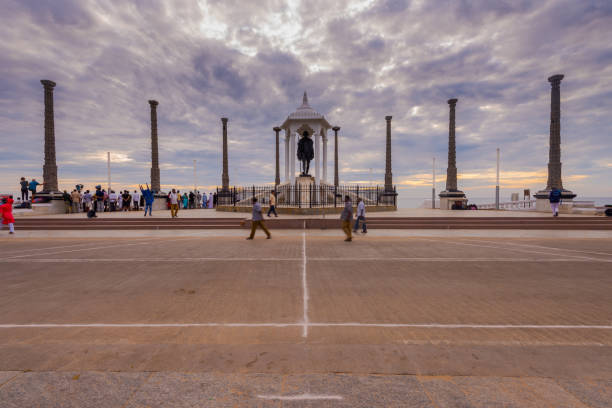
Mahatma Gandhi Road isn’t just another street name, it carries the weight of India’s freedom struggle and the legacy of the Father of the Nation. Gandhi’s connection to these roads runs deeper than most people realize. During his extensive travels across India from 1915 to 1947, Gandhi visited virtually every major city and town, often walking through what would later become the main commercial streets bearing his name.
The renaming wasn’t arbitrary. Cities chose their most important thoroughfares – typically the main commercial or administrative streets to honor Gandhi’s memory. These were often the same routes Gandhi himself had walked during his visits, whether for public meetings, salt satyagraha rallies, or spinning wheel demonstrations. Many MG Roads were the venues where thousands gathered to hear him speak about non-violence, self-reliance, and independence.
What makes this personal is that Gandhi’s philosophy of walking among common people meant he deliberately chose busy market streets and commercial areas for his interactions. He believed in meeting people where they lived and worked, not in isolated venues. Your MG Road likely witnessed history in the making.
Understand how your MG Road got its name and when
The transformation from colonial-era names to Mahatma Gandhi Road happened in waves across India, primarily between 1948 and the 1960s. Most cities renamed their main streets immediately after Gandhi’s assassination in January 1948, as a tribute to his sacrifice for the nation.
Different cities had different original names for these streets. Many were called Queen’s Road, King’s Road, or Station Road during British rule. Some bore the names of British officials, governors, or military officers. The renaming process was both symbolic and practical – these central arteries represented the heart of each city’s commercial and social life.
The timing varied by state and local government priorities:
- 1948-1950: Major metropolitan cities like Mumbai, Delhi, and Kolkata
- 1950-1960: State capitals and important commercial centers
- 1960s onwards: Smaller towns and district headquarters
Each renaming came with its own local story. Some involved heated municipal debates, while others happened through unanimous consensus. The process reflected how deeply Gandhi’s loss affected every corner of the country.
Explore the colonial heritage still visible today
Walk down any Mahatma Gandhi Road today, and you’ll spot layers of colonial architecture hiding in plain sight. British urban planning principles shaped these streets, which explains why most MG Roads are unusually wide and straight compared to older Indian city layouts.
Look for these colonial remnants:
Architectural Elements:
- Victorian-era buildings with ornate balconies and high ceilings
- Indo-Saracenic structures blending British and Indian styles
- Old post offices and telegraph buildings with distinctive red brick construction
- Colonial-era churches and administrative buildings
Urban Design Features:
- Wide carriageways designed for horse-drawn vehicles
- Systematic street lighting positions
- Planned drainage systems along roadsides
- Central medians originally designed for tram lines
Many buildings still display original features like cast-iron railings, decorative cornices, and arched windows. The British preference for creating “civil lines” – organized commercial districts separate from older city areas – explains why MG Roads often feel different from surrounding neighborhoods.
Some cities preserved colonial-era lamp posts, milestone markers, and even original street signs as heritage elements. These details tell the story of how British administrators envisioned urban India.
Find out which freedom fighters walked these very streets
Beyond Gandhi, your MG Road witnessed the footsteps of countless freedom fighters who shaped India’s independence movement. Local research reveals fascinating stories of regional heroes who used these main thoroughfares for protests, rallies, and underground resistance activities.
National Leaders Who Visited:
- Jawaharlal Nehru during nationwide tours
- Sardar Vallabhbhai Patel for unity campaigns
- Subhash Chandra Bose during INA recruitment drives
- Maulana Abul Kalam Azad for educational reforms
Regional Freedom Fighters:
Every MG Road has its local heroes. These streets saw regional leaders organizing:
- Salt satyagraha marches
- Quit India movement rallies
- Khadi promotion campaigns
- Student protests against colonial education
Many MG Roads have small plaques or monuments marking specific incidents – a police lathi charge site, a famous speech location, or a building where revolutionaries met secretly. Local historical societies often maintain detailed records of these events.
The commercial nature of these streets made them perfect for resistance activities. Freedom fighters could blend into crowds, distribute literature from shops, and organize meetings in the numerous halls and buildings lining these busy roads. Your local MG Road wasn’t just a witness to history – it was an active participant in India’s struggle for freedom.
Related: 12 Instagram-Worthy Spots Around Charminar District
Navigate Your MG Road Like a Local Expert
Identify the best transportation options available
Getting around Mahatma Gandhi Road efficiently requires knowing your transportation choices. Metro connections serve as your primary lifeline – most MG Roads connect directly to major metro stations, making them easily accessible from any part of the city. Check which metro line serves your specific MG Road, as this becomes your fastest route during peak hours.
Auto-rickshaws remain the most flexible option for short distances along MG Road. They can navigate through traffic and drop you exactly where you need to go. Negotiate fares beforehand or insist on using the meter. During rush hours, shared auto-rickshaws often run fixed routes along MG Road at cheaper rates.
City buses frequently ply along these major arterial roads. BMTC, BEST, or your local transport corporation runs regular services. Download your city’s bus tracking app to get real-time arrival information. Express buses skip minor stops, saving time for longer journeys.
Ride-sharing apps work well for point-to-point travel, especially when carrying shopping bags or traveling in groups. Pool options reduce costs significantly. Book rides from designated pickup points near major landmarks to avoid confusion.
Cycling infrastructure varies by city – some MG Roads have dedicated bike lanes while others require sharing space with vehicles. Early mornings and weekends offer the safest cycling conditions.
Locate essential services and government offices
Every MG Road houses crucial administrative centers that residents regularly need. Post offices typically occupy prominent positions – look for the red and yellow signage. These handle everything from passport applications to speed post services.
Banks cluster heavily along MG Road, with both public and private sector options. ATMs line the streets every few hundred meters. State Bank of India branches often occupy corner buildings with their distinctive blue signage. HDFC, ICICI, and Axis banks maintain multiple branches for comprehensive banking needs.
Government offices concentrate around MG Road for accessibility. Municipal corporation offices handle property tax, water connections, and civic complaints. Regional Passport Seva Kendras often locate nearby. District collector offices, if present, manage land records and various certificates.
Police stations or outposts provide security oversight. Note their exact locations – valuable for filing complaints or seeking assistance. Traffic police booths manage vehicular movement during peak hours.
Medical facilities include both government and private options. Government dispensaries offer affordable healthcare, while private clinics provide specialized services. Pharmacies operate throughout the stretch, with some offering 24-hour service.
Find parking spots and avoid traffic congestion
Smart parking requires understanding peak patterns. Morning rush (8-10 AM) and evening rush (6-8 PM) create maximum congestion. Plan visits during off-peak hours when possible – mid-morning or early afternoon work best for shopping and errands.
Multi-level parking complexes serve major commercial areas. These charge hourly rates but guarantee security. Book spots in advance through parking apps during festivals or special events.
Street parking follows specific rules – look for painted markings indicating paid parking zones. Download your city’s parking app for digital payments. Avoid no-parking zones marked with yellow lines, as traffic police actively issue challans.
Shopping malls and commercial complexes offer customer parking, usually free for the first few hours. Validation systems in some establishments extend free parking duration with minimum purchases.
Alternative routes help bypass congestion. Parallel roads running alongside MG Road often move faster during peak hours. Local residents know these shortcuts – befriend shopkeepers for insider knowledge about traffic patterns.
Two-wheeler parking spots cluster near major commercial areas. Security guards often manage these informal parking areas for nominal fees. This option works best for quick errands.
Use landmarks to give directions to visitors
Mastering landmark navigation makes you invaluable to visitors and delivery personnel. Every MG Road features distinctive reference points that locals instantly recognize. Major hotels serve as primary landmarks – their names appear on maps and GPS systems, making them perfect starting points for directions.
Historical monuments and statues create unmistakable reference points. Gandhi statues, war memorials, or freedom fighter monuments occupy central positions. These never change location, providing reliable navigation anchors.
Commercial landmarks include popular restaurants, branded showrooms, or shopping centers. McDonald’s, KFC, or local restaurant chains offer easily recognizable signage. Electronics stores like Reliance Digital or Croma occupy prominent corner positions.
Religious structures – temples, mosques, churches, or gurudwaras – serve as cultural landmarks. Devotees and locals know these intimately, making them excellent reference points for directions.
Educational institutions like schools or colleges create familiar landmarks for residents. Their boundary walls, gates, or distinctive architecture help pinpoint locations.
Traffic signals and major intersections get local names based on nearby landmarks. The “Bank Circle” might refer to an intersection near several banks, while “Hospital Signal” indicates proximity to medical facilities.
Create mental maps connecting these landmarks. Practice giving directions using a combination of two or three landmarks to guide visitors efficiently. This skill proves invaluable when helping tourists or coordinating with service providers.
Experience the Cultural Hotspots That Define Your Area
Visit theaters and cultural centers for entertainment
Your local Mahatma Gandhi Road likely houses some of the most vibrant theatrical venues in your city. These spaces have been entertaining generations of families, serving as cultural anchors that bring communities together. Most MG Roads feature at least one prominent theater that regularly hosts Hindi films, regional cinema, and live performances.
The older theaters along these streets often carry fascinating architectural details from the colonial or post-independence era. Look for ornate facades, vintage marquees, and spacious lobbies that tell stories of bygone entertainment eras. Many of these venues have adapted beautifully to modern times while maintaining their classic charm.
Cultural centers along MG Road typically offer diverse programming throughout the week. You’ll find everything from classical music concerts and dance recitals to contemporary art exhibitions and poetry readings. These venues often partner with local schools and colleges, making them accessible spaces for emerging artists to showcase their talent.
Community halls and auditoriums in the area frequently host celebrations for various festivals, allowing different cultural groups to share their traditions. During wedding seasons, these spaces buzz with pre-wedding ceremonies and receptions, creating a festive atmosphere that spills onto the streets.
Explore art galleries and museums nearby
Art galleries clustered around MG Road areas showcase an impressive range of local and regional artwork. You’ll discover pieces that reflect your city’s unique artistic heritage, from traditional crafts to contemporary installations. Many galleries rotate their exhibitions monthly, giving you fresh reasons to visit regularly.
Small museums tucked away in nearby lanes often house remarkable collections that most locals haven’t explored. These hidden gems might feature artifacts from your region’s history, vintage photographs of the area’s transformation, or specialized collections like coins, textiles, or manuscripts.
Government-run cultural institutions near MG Road typically offer free or low-cost entry, making art accessible to everyone. These spaces often organize educational workshops, artist talks, and interactive sessions that deepen your appreciation for local culture.
Private galleries and artist studios frequently open their doors during special events, giving you glimpses into creative processes and opportunities to meet working artists. Some spaces double as cafes or bookstores, creating comfortable environments where you can spend entire afternoons exploring creativity.
Attend festivals and events held throughout the year
MG Road transforms dramatically during festival seasons, becoming a canvas for elaborate decorations and cultural celebrations. Diwali brings stunning light displays that illuminate entire stretches of the road, while Holi celebrations often spill out from cultural centers onto the streets.
Street festivals throughout the year turn your MG Road into pedestrian-friendly celebration zones. Food festivals showcase regional specialties alongside popular street food, while craft fairs bring together artisans from across the state. Music festivals often feature both established and emerging artists performing genres ranging from classical Indian music to contemporary fusion.
Religious celebrations reflecting your area’s diverse communities create colorful spectacles throughout the calendar. You might witness elaborate processions during Ganesh Chaturthi, Christmas caroling groups, or Eid celebrations that bring different communities together in shared festive spirit.
Seasonal markets and bazaars pop up regularly, offering everything from handmade jewelry and clothing to books and antiques. These temporary markets create unique shopping experiences while supporting local entrepreneurs and craftspeople who contribute to your area’s economic vitality.
Related: Dwarka Underwater City: Facts, Discoveries & What Science Says
Shop Smart at the Best Commercial Establishments
Discover flagship stores and shopping complexes
Most Mahatma Gandhi Roads feature a striking mix of established retail chains and modern shopping complexes that serve as commercial anchors for the entire street. These flagship stores often occupy prime real estate and showcase the latest collections from popular Indian and international brands. You’ll typically find major department stores like Shoppers Stop, Lifestyle, or Pantaloons occupying multi-story buildings with impressive glass facades.
Shopping complexes along MG Road usually house everything from fashion boutiques to electronics stores, creating convenient one-stop destinations. Many of these complexes feature air-conditioned environments, escalators, and food courts that make shopping comfortable during hot summer months. The architecture often blends modern design with local elements, creating spaces that feel both contemporary and rooted in regional culture.
Brand flagship stores here tend to offer exclusive collections and seasonal launches before they reach smaller outlets. You’ll often discover limited edition items and regional variations of popular products that aren’t available elsewhere in the city.
Find authentic local markets and street vendors
The real character of any MG Road emerges through its bustling street markets and vendor stalls that line the sidewalks. These informal commercial spaces offer everything from fresh flowers and street food to handcrafted jewelry and traditional textiles. Morning markets typically feature vegetable vendors, fruit sellers, and flower merchants who arrive before dawn to set up their colorful displays.
Street vendors often specialize in specific items – you might find someone selling only handmade bags, another focusing on vintage books, and yet another offering regional handicrafts passed down through generations. These vendors possess deep knowledge about their products and can often customize items or provide detailed information about origins and craftsmanship.
Local markets usually operate on different schedules than formal stores. Many vendors start early in the morning and wind down by late afternoon, while others come alive in the evening when office workers head home. Building relationships with regular vendors often leads to better prices and access to unique items they reserve for loyal customers.
Locate specialty shops unique to your MG Road
Every MG Road develops its own ecosystem of specialty shops that reflect the local community’s needs and preferences. These might include traditional medicine stores selling Ayurvedic remedies, bookshops specializing in regional literature, or electronics repair shops run by skilled technicians who’ve been serving the neighborhood for decades.
Music stores often become cultural hubs where local musicians gather to discuss instruments and upcoming performances. Art supply shops cater to the creative community, while specialty food stores might focus on regional delicacies or imported ingredients that reflect the area’s diverse population.
Many of these specialty shops occupy narrow storefronts but pack incredible depth in their offerings. The owners usually possess encyclopedic knowledge about their products and can guide you toward exactly what you need, often suggesting alternatives you hadn’t considered.
Compare prices and quality across different outlets
Smart shopping on MG Road requires understanding the price spectrum across different types of establishments. Flagship stores typically offer fixed prices, branded quality, and formal warranties, but you’ll pay premium rates. Local markets and street vendors offer negotiable prices and unique items, though quality can vary significantly.
| Outlet Type | Price Range | Quality | Warranty | Negotiable |
| Flagship Stores | High | Standardized | Yes | No |
| Shopping Complexes | Medium-High | Variable | Usually | Limited |
| Local Shops | Medium | Variable | Sometimes | Yes |
| Street Vendors | Low-Medium | Variable | Rarely | Yes |
Building relationships with shopkeepers across different categories helps you understand fair pricing and quality standards. Regular customers often receive advance notice about sales, special discounts, or new arrivals.
Learn the best times to shop for deals
Timing your shopping trips can lead to significant savings and better selection. Most formal stores offer major discounts during festival seasons, end-of-season clearances, and anniversary sales. Street vendors typically reduce prices toward evening when they want to clear remaining inventory rather than carry it home.
Weekday mornings often provide the best selection at markets, while weekends bring crowds but also more vendor options. Many shops offer special deals on specific days – some electronics stores have “Tuesday specials” while clothing vendors might offer discounts on slow business days.
Related: Bangalore to Hosur Outstation Cabs Guide: Distance, Route, Time, Fare and Travel Tips
Savor the Authentic Food Scene Along Your Route
Try iconic restaurants that locals recommend
Every Mahatma Gandhi Road across India has those legendary restaurants that become part of the city’s identity. These establishments have served generations of families and continue to draw crowds with their time-tested recipes and authentic flavors. Your local MG Road’s iconic spots have likely been perfecting their signature dishes for decades.
Start by asking longtime residents about their family’s go-to restaurants. These recommendations carry weight because they’ve stood the test of time. Many iconic restaurants on MG Roads began as small family ventures that grew into culinary institutions. You’ll often find these places maintaining their original recipes while expanding their seating or modernizing their ambiance.
Look for restaurants that display old photographs on their walls – these visual histories often tell stories of famous patrons, special occasions, and the restaurant’s evolution. Many iconic establishments on MG Roads have served celebrities, politicians, and notable figures who frequented the area during its heyday.
Don’t overlook the unassuming exteriors. Some of the most celebrated restaurants on MG Roads maintain modest facades while serving extraordinary food. The focus remains on quality ingredients, traditional cooking methods, and consistent flavors that keep customers returning for years.
Experience street food vendors with the best reputation
Street food culture on MG Roads represents the pulse of local life. The best vendors have built their reputations through consistent quality, hygiene standards, and unique preparations that you won’t find anywhere else. These food artisans often operate from the same spots for years, becoming neighborhood landmarks.
Peak hours reveal the most popular vendors. Watch for the longest queues during evening hours – locals know where to find the best chaat, samosas, or regional specialties. The vendors with steady customer streams have earned their reputation through word-of-mouth recommendations and repeat business.
Safety and hygiene matter when choosing street food. Look for vendors who maintain clean cooking areas, use fresh ingredients, and have high customer turnover ensuring food doesn’t sit too long. The best street food vendors on MG Roads often invest in proper equipment and maintain visible preparation areas.
Regional specialties define each MG Road’s street food scene. North Indian MG Roads might feature exceptional chole bhature or parathas, while southern locations could offer dosas, vadas, or local breakfast items. Understanding your area’s food culture helps you appreciate the vendors who’ve mastered these traditional preparations.
Find cafes perfect for business meetings and casual hangouts
Modern MG Roads blend traditional dining with contemporary cafe culture. The best cafes understand their dual role as workspaces and social hubs, offering environments suitable for both professional discussions and casual meetups with friends.
Business-friendly cafes provide reliable WiFi, comfortable seating arrangements, and noise levels conducive to conversations. Look for establishments with diverse seating options – high tables for quick meetings, cozy corners for detailed discussions, and communal spaces for larger groups. Many successful cafes on MG Roads have recognized this need and designed their spaces accordingly.
Menu variety and quality matter for regular visits. The best cafes balance coffee excellence with substantial food options, ensuring they can accommodate different meal times and preferences. Whether you need a quick espresso before a meeting or a full meal during extended work sessions, these establishments deliver consistently.
Ambiance plays a crucial role in cafe selection. Successful MG Road cafes create atmospheres that feel welcoming throughout the day. Morning coffee rushes require efficient service, afternoon work sessions need comfortable seating and good lighting, while evening hangouts benefit from relaxed environments and perhaps some background music.
Connect With Your Community Through Local Networks
Join Neighborhood Associations and Resident Groups
Your local Mahatma Gandhi Road likely hosts several active neighborhood associations that serve as the backbone of community life. These groups meet regularly to discuss everything from street lighting issues to organizing festivals, and they’re always looking for fresh voices and new perspectives. Start by asking local shopkeepers or checking community boards for meeting schedules and contact information.
Resident Welfare Associations (RWAs) are particularly powerful in Indian neighborhoods. They tackle practical issues like water supply problems, garbage collection schedules, and security concerns. Many RWAs along MG Roads have successfully lobbied for better infrastructure, cleaner streets, and improved public services. When you join, you’ll discover how much influence these groups actually have with local authorities.
Building societies and apartment associations also play crucial roles, especially in mixed residential-commercial areas that characterize many MG Roads. These groups often coordinate with street-level associations to address broader neighborhood concerns. They organize everything from blood donation camps to skill development workshops for domestic staff.
Participate in Community Events and Social Gatherings
MG Roads across India buzz with community events throughout the year. Religious festivals bring neighbors together regardless of their backgrounds, creating opportunities to meet people you might only wave to normally. Diwali celebrations, Eid gatherings, Christmas carol services, and Holi parties happen right on your street or in nearby community halls.
Cultural programs are equally important for building connections. Many areas organize annual talent shows, classical music concerts, or dance performances where local residents showcase their skills. These events often happen in community centers, local schools, or even on the street itself during special occasions.
Sports activities create strong bonds too. Morning walking groups, evening badminton sessions in nearby courts, cricket matches in local grounds, and yoga classes in parks all provide regular opportunities to meet neighbors. Many MG Road communities have formed cycling groups that explore the city together on weekends.
Book clubs, hobby groups, and language exchange meetups are growing popular in urban areas. These smaller gatherings let you connect with people who share your interests while contributing to the intellectual life of your neighborhood.
Support Local Businesses and Entrepreneurs
Every MG Road has its collection of family-run businesses, small enterprises, and budding entrepreneurs who form the economic heart of the community. Shopping at these establishments instead of large chains keeps money circulating within your neighborhood and helps maintain the unique character that makes your street special.
Local tailors, cobblers, electricians, and repair shops provide personalized service that big companies can’t match. They often become trusted advisors who know your preferences and needs. Building relationships with these service providers creates a support network that proves invaluable during emergencies or urgent situations.
Street vendors and small restaurant owners often become neighborhood fixtures, knowing regular customers by name and remembering their usual orders. Supporting them helps maintain the vibrant street life that makes Indian MG Roads so distinctive. Many of these entrepreneurs are supporting entire families through their small businesses.
Professional services like chartered accountants, lawyers, doctors, and consultants who operate from MG Road locations often provide community-focused services. They understand local regulations, have connections with municipal authorities, and can offer advice that’s specifically relevant to your area’s unique challenges and opportunities.
Engage with Civic Improvement Initiatives
Active participation in civic improvement transforms communities and creates lasting positive change. Many MG Road neighborhoods have successfully implemented waste segregation programs, tree planting drives, and street beautification projects through collective citizen action. These initiatives often start with just a few motivated residents who inspire others to join.
Water conservation and rainwater harvesting projects have gained momentum in many areas. Community members work together to install systems, maintain them, and educate neighbors about sustainable practices. These efforts not only improve environmental conditions but also reduce utility costs for everyone.
Traffic management and road safety campaigns often emerge from community concerns. Residents collaborate with local traffic police to install speed breakers, improve signage, and create safer crossings. Some communities have successfully lobbied for dedicated parking areas or better public transportation connectivity.
Digital literacy programs, senior citizen support groups, and child safety initiatives showcase how communities can address social challenges through organized effort. Many neighborhoods along Mahatma Gandhi Road have established libraries, community gardens, and skill development centers through volunteer coordination and resource pooling.
MG Road isn’t just another street in your city – it’s a living piece of history that connects you to India’s past while serving as the heartbeat of your local community today. From the colonial legacy that shaped its name to the bustling markets, cultural landmarks, and food joints that make each MG Road unique, these streets offer a complete experience of Indian urban life. You’ll find everything from traditional shops selling local crafts to modern establishments, street food vendors serving regional specialties, and community spaces where neighbors still gather and connect.
Take some time to really explore your local MG Road with fresh eyes. Walk its length, try that small restaurant you’ve always passed by, visit the historical sites, and strike up conversations with the shopkeepers who’ve been there for decades. Your MG Road has stories to tell and experiences to offer that you might have overlooked in your daily routine. Make it more than just a place you pass through – let it become a place you truly know and appreciate.
Related: India Gate Travel Guide 2026
Conclusion
MG Road isn’t just another street in your city – it’s a living piece of history that connects you to India’s past while serving as the heartbeat of your local community today. From the colonial legacy that shaped its name to the bustling markets, cultural landmarks, and food joints that make each MG Road unique, these streets offer a complete experience of Indian urban life. You’ll find everything from traditional shops selling local crafts to modern establishments, street food vendors serving regional specialties, and community spaces where neighbors still gather and connect.
Take some time to really explore your local MG Road with fresh eyes. Walk its length, try that small restaurant you’ve always passed by, visit the historical sites, and strike up conversations with the shopkeepers who’ve been there for decades. Your MG Road has stories to tell and experiences to offer that you might have overlooked in your daily routine. Make it more than just a place you pass through – let it become a place you truly know and appreciate.
Related: Bangalore to Kodaikanal Car Rental – Distance, Route & Travel Guide
Leave a Reply